ترجمة الفلاتر الديناميكية Shopify للأسواق الدولية هي خطوة حاسمة في بناء تجربة تجارة إلكترونية محلية حقًا. تركز العديد من متاجر Shopify العالمية على ترجمة صفحات المنتجات ولكنها تتجاهل العناصر الديناميكية مثل الفلاتر والوجوه وخيارات البحث، والتي غالبًا ما تظل باللغة الافتراضية. عندما يواجه المتسوقون فلاتر غير مترجمة، يمكن أن تشعر المتجر بعدم الاتساق وعدم الموثوقية - مما يؤدي إلى الإحباط وفقدان التحويلات.
تستكشف هذه المقالة سبب انهيار عوامل تصفية Shopify الديناميكية في المتاجر متعددة اللغات وكيفية ترجمتها بفعالية دون الإضرار بتجربة المستخدم أو تحسين محركات البحث. ستتعلم استراتيجيات عملية للتعامل مع تسميات الفلترة، وقيم الوجه، وروابط متعددة اللغات حتى تشعر متجرك بأنه موضعي تمامًا في كل سوق.
النقاط الرئيسية: ترجمة فلاتر Shopify الديناميكية
توطين التسميات والقيم
قم بترجمة أسماء الفلاتر (اللون > اللون) والخيارات (الأحمر > الأحمر الداكن) مركزياً لتسهيل التنقل متعدد اللغات بشكل متسق.
أتمتة المحتوى الديناميكي
استخدم تطبيقات مثل Linguise لترجمة الجوانب في الوقت الفعلي مع تغيرات الكتالوج، وتجنب مشاكل المزامنة اليدوية.
عناوين URL صديقة لمحركات البحث
قم بتكوين عناوين URL لتصفية متعددة اللغات باستخدام hreflang لالتقاط حركة البحث الدولية بدون تكرارات.
لماذا تنهار عوامل تصفية Shopify في المتاجر متعددة اللغات؟

Shopify في المتاجر متعددة اللغات لأنها تعتمد على البيانات الديناميكية التي لا يتم التعامل معها بنفس الطريقة مثل محتوى الصفحة الثابت. غالبًا ما يتم إنشاء تسميات الفلترة، وقيم الوجه، ومعلمات URL بواسطة السمات، والتطبيقات، أو نظام التصفية الأصلي لـ Shopify’s، لذلك لا يتم ربطها دائمًا بطبقة الترجمة في المتجر.
هذه القضية هامة لأن الفلاتر تلعب دورًا رئيسيًا في اكتشاف المنتجات واتخاذ قرارات الشراء. عندما تظهر الفلاتر بلغة خاطئة - أو تمزج بين لغات متعددة - يواجه المستخدمون صعوبة في التنقل عبر قوائم المنتجات، وتقل ثقتهم في المتجر، ويتركون عملية التصفح بشكل أسرع. إصلاح ترجمة الفلاتر ليس مجرد تحسين تقني؛ إنه ضروري لتقديم تجربة تسوق متسقة وصديقة للتحويل عبر الأسواق الدولية.
ترجمة تسميات الفلاتر والأوجه
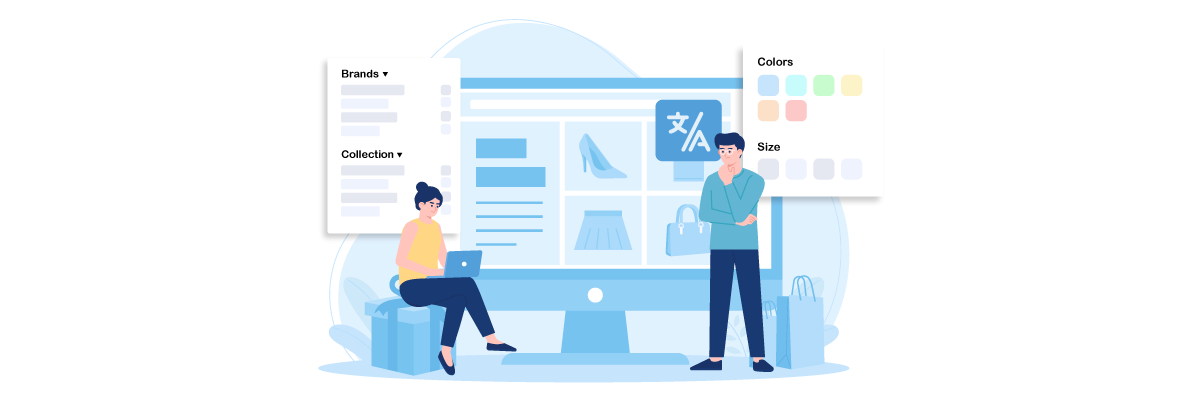
ترجمة تسميات الفلاتر والأوجه هي واحدة من أكثر الأجزاء وضوحًا - وأكثرها إهمالًا - في تهيئة Shopify المحلية. توجه هذه العناصر المستخدمين أثناء تضييق نطاق المنتجات، لذلك حتى مشاكل الترجمة الصغيرة يمكن أن تعطل بسرعة تدفق التسوق وتجعل المتجر أقل جدارة بالثقة.
توطين تسميات الفلاتر
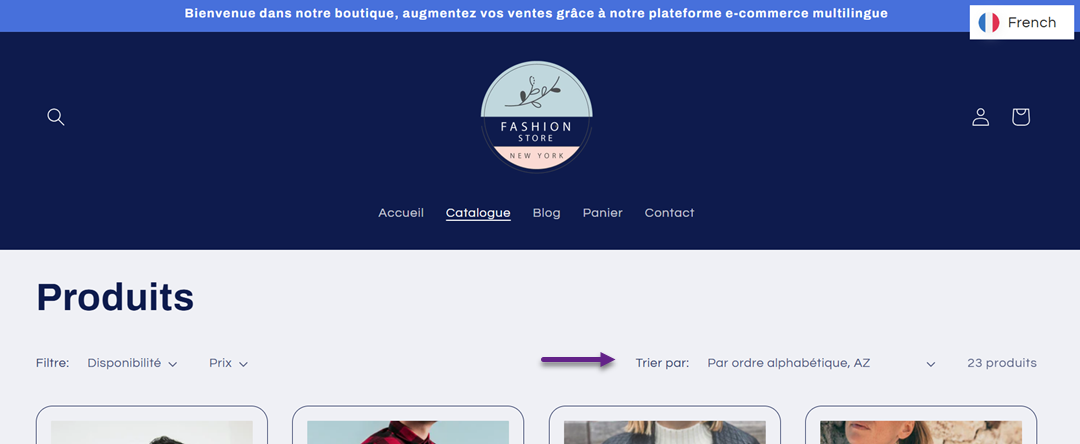
غالبًا ما تكون تصنيفات الفلترة مثل اللون أو الحجم أو السعر هي أول تفاعل يقوم به المستخدمون مع التنقل في المنتجات. عندما تظل هذه التصنيفات باللغة الأصلية، يُجبر المتسوقون الدوليون على تخمين معناها أو الاعتماد على المعرفة السابقة، مما يضيف احتكاكًا غير ضروري. على سبيل المثال، المتسوق الفرنسي الذي يرى “Color” بدلاً من “Couleur,” يشعر على الفور أن المتجر لم يتم تصميمه لهم.
يضمن توطين تصنيفات الفلترة أن التنقل يشعر بالطبيعية والألفة في كل سوق. والأهم من ذلك، أنه يحدد التوقعات. عندما تُترجم التصنيفات بشكل صحيح، يثق المستخدمون في أن بقية تجربة الفلترة ستعمل أيضًا كما هو مقصود. يمكن لهذا التفصيل الصغير أن يحسن الثقة بشكل كبير ويبقي المستخدمين منخرطين لفترة أطول في صفحات الفئات.
هنا مثال على مرشح كان في الأصل باللغة الإنجليزية.
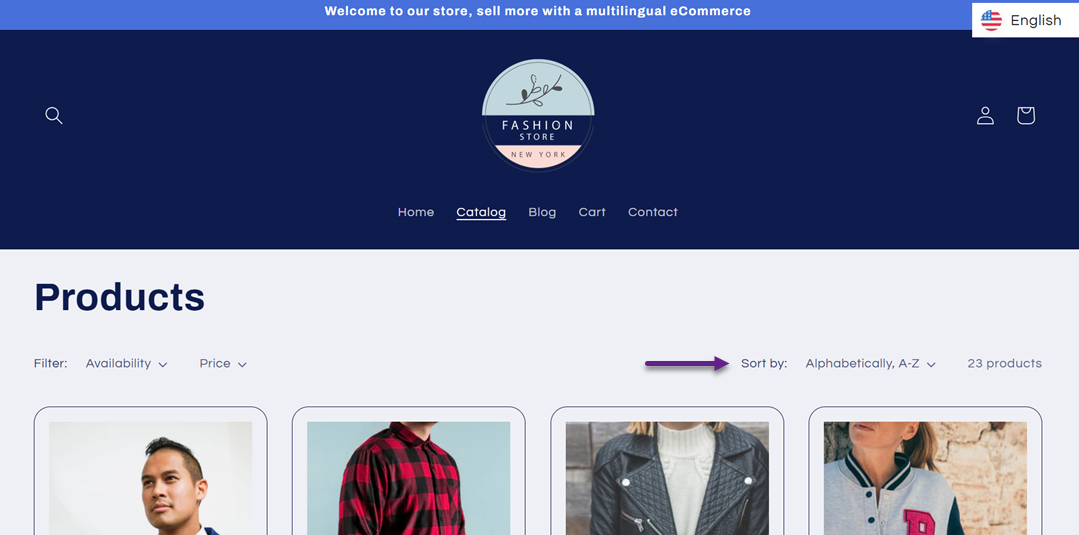
ثم تُرجمَت الصفحة إلى الفرنسية، لذلك تمت ترجمة المرشح أيضًا.
ترجمة قيمة الوجه الثابتة
قيم الوجه - مثل الأحمر والأزرق والقطن أو الجلد - غالبًا ما تسبب مشاكل أكبر من الملصقات نفسها. عادةً ما تأتي هذه القيم من سمات المنتج، والتي يمكن إدخالها يدويًا أو مزامنتها من مصادر متعددة. إذا تمت ترجمتها بشكل غير متسق، فقد يرى المستخدمون لغات مختلطة داخل نفس المرشح.
الاتساق مهم لأن المتسوقين يقارنون الخيارات بصريًا وعقليًا. رؤية كل من "أحمر" و "روغ" في قائمة تصفية واحدة يخلق الارتباك ويقوض وهم المتجر المحلي. من خلال توحيد ترجمات الوجه على جميع المنتجات، يمكنك ضمان بقاء المرشحات واضحة وقابلة للمسح وسهلة الاستخدام - خاصة للمتاجر ذات الكتالوجات الكبيرة أو التي يتم تحديثها بشكل متكرر.
التعامل مع محتوى الفلتر الديناميكي
يتم إنشاء محتوى الفلتر الديناميكي تلقائيًا بناءً على المنتجات المتاحة، مما يجعل من الصعب ترجمته أكثر من النص الثابت. يمكن أن تظهر سمات أو قيم أو مجموعات جديدة في أي وقت، خاصة في المتاجر ذات المنتجات الموسمية أو تغييرات المخزون المتكررة.
لهذا السبب غالبًا ما تفشل الترجمة اليدوية وحدها عند التوسع. بدون نظام يتكيف مع البيانات الديناميكية، ستعود المرشحات غير المترجمة أو المترجمة جزئيًا إلى الظهور بمرور الوقت. التعامل مع محتوى المرشح الديناميكي بشكل صحيح يضمن أنه مع نمو كتالوجك، تظل تجربة التصفية مترجمة بالكامل — بدون صيانة مستمرة أو تجربة مستخدم معطلة للعملاء الدوليين.
لهذا السبب يصبح الاعتماد على نظام يمكنه التعامل مع المحتوى الديناميكي تلقائيًا أمرًا ضروريًا. التطبيق الرسمي Linguise Shopify مصمم لترجمة العناصر الديناميكية، مثل المرشحات والوجوه، في الوقت الفعلي، مما يساعد المتاجر
إدارة عناوين URL للمرشحات متعددة اللغات
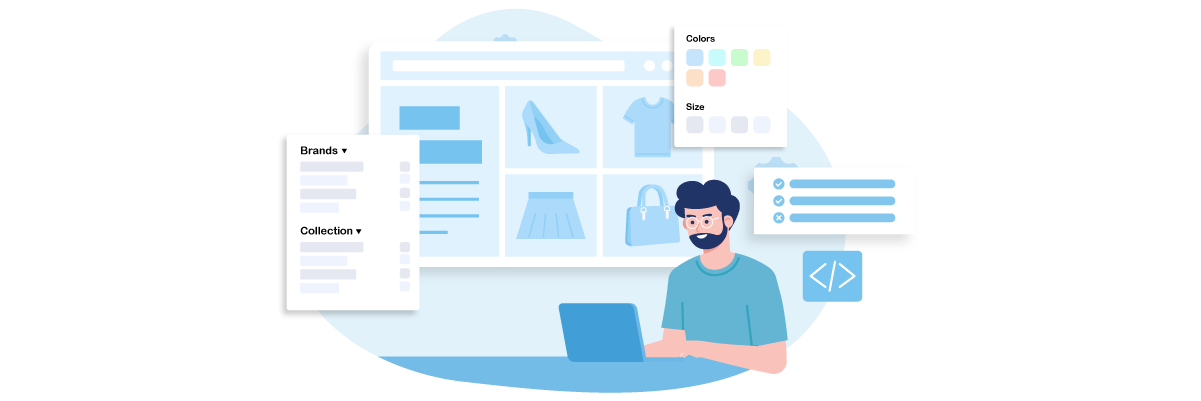
تعتبر إدارة عناوين URL للمرشحات متعددة اللغات بنفس أهمية ترجمة ما يراه المستخدمون على الشاشة. حتى عندما تظهر تسميات المرشح بشكل صحيح ، يمكن أن تتسبب عناوين URL التي يتم التعامل معها بشكل سيئ في حدوث مشكلات في تحسين محركات البحث (SEO) ، والفهرسة غير المتسقة ، والسلوك المربك عندما يقوم المستخدمون بتبديل اللغات.
معلمات المرشح الخاصة باللغة
غالبًا ما تتضمن عناوين URL للمرشح معلمات تمثل أوجهًا محددة ، مثل اللون أو الحجم أو المادة. بشكل افتراضي ، عادة ما تكون هذه المعلمات غير مرتبطة باللغة أو مرتبطة باللغة الأساسية للمتجر. عندما يقوم المستخدمون بتبديل اللغات ، قد تحتفظ URL بالمعلمة الأصلية ، مما يتسبب في عدم تطابق المرشحات مع التسميات المرئية بعد الآن.
يساعد استخدام معلمات تصفية خاصة باللغة في الحفاظ على الاتساق بين ما يختاره المستخدمون وما تمثله عنوان URL. وهذا يضمن أن الصفحات التي تمت تصفيتها تتصرف بشكل صحيح عبر اللغات وأن المستخدمين يمكنهم مشاركة أو وضع إشارة مرجعية على طرق العرض التي تمت تصفيتها بدون ارتباك. كما أنه يعزز الشعور بأن كل نسخة لغة من المتجر هي تجربة كاملة ومستقلة.
تجنب الصفحات التي تمت تصفيتها المكررة
إحدى المشاكل الشائعة مع المرشحات متعددة اللغات هي إنشاء صفحات مكررة. يمكن الوصول إلى نفس قائمة المنتجات التي تمت تصفيتها من خلال عناوين URL متعددة — لغات مختلفة، تنسيقات معلمات مختلفة، أو كليهما — مما يجعل من الصعب على محركات البحث فهم الإصدار الذي يجب فهرسته.
تجنب الصفحات التي تمت تصفيتها المكررة مهم للحفاظ على قيمة تحسين محركات البحث (SEO) ومنع ميزانية الزحف المهدرة. من خلال تحديد كيفية التعامل مع عناوين URL التي تمت تصفيتها لكل لغة بشكل واضح، يمكنك تقليل مخاطر تنافس الصفحات ضد بعضها البعض. هذا يساعد محركات البحث على التركيز على الصفحات المحلية الأكثر صلة، بدلاً من معاملة المرشحات على أنها محتوى منخفض الجودة أو زائد.
هيكل عنوان URL للمرشح الصديق لتحسين محركات البحث
هيكل عنوان URL للمرشح الصديق لتحسين محركات البحث يحقق توازنًا بين قابلية الاستخدام وقابلية الفهرسة. يجب أن تكون عناوين URL قابلة للقراءة بما يكفي لتعكس المرشحات المحددة، ولكن يتم التحكم فيها حتى لا تولد اختلافات لا نهاية لها لا تستطيع محركات البحث إدارتها.
بالنسبة للمتاجر متعددة اللغات، يعني هذا محاذاة عناوين URL للمرشحات مع مسارات اللغة، وقواعد hreflang، وقرارات الفهرسة. عند إجرائها بشكل صحيح، تدعم عناوين URL للمرشحات كلاً من تنقل المستخدم ورؤية البحث - مما يسهل على المتسوقين العثور على المنتجات ذات الصلة وعلى محركات البحث فهم هيكل موقعك الدولي.
أفضل الممارسات لترجمة المرشحات الديناميكية Shopify
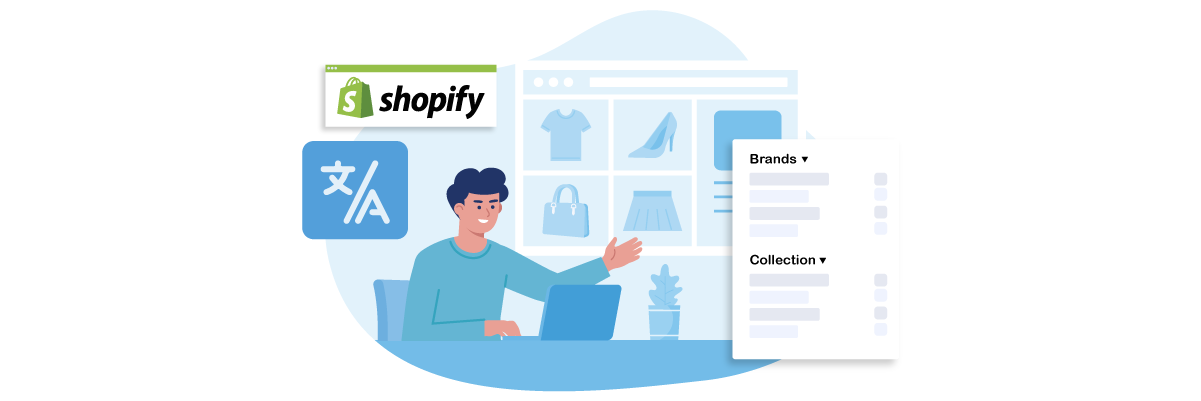
أفضل الممارسات ل ترجمة المحتوى الديناميكي Shopify تركز المرشحات على بناء إعداد يبقى مستقرًا مع نمو متجرك. بدلاً من الرد على الترجمات المعطلة، الهدف هو تصميم مرشحات تظل محلية ومتسقة وموثوقة عبر اللغات والمواضيع والتحديثات.
ترجمة المرشحات المركزية
أفضل ممارسة لترجمة الفلاتر المركزية هي إدارة جميع تسميات الفلاتر وقيم الوجوه في طبقة ترجمة واحدة مستقلة عن سمة Shopify الخاصة بك. هذا يعني أن التسميات مثل اللون أو الحجم أو المادة، والقيم مثل الأحمر أو الأزرق أو القطن، تُترجم مرة واحدة وتُستخدم في كل مكان.
على سبيل المثال، قد يُعرّف متجر يبيع الملابس "اللون" > "Couleur" (FR) و "الأحمر" > "Rouge" على مستوى طبقة الترجمة. عند إضافة منتج جديد باللون "الأحمر"، يعرض الفلتر تلقائيًا "Rouge" بالفرنسية دون أي عمل يدوي. هذا يتجنب الحالات التي تُترجم فيها المنتجات القديمة بشكل صحيح بينما تظهر المنتجات الأحدث باللغة الافتراضية.
يضمن هذا النهج الاتساق على المدى الطويل وقابلية التوسع. مع توسع الكتالوج أو إضافة أسواق جديدة، تظل الفلاتر مترجمة بالكامل دون تدخل يدوي مستمر.
النهج المركزي أسهل بكثير في الصيانة عند التعامل مع الترجمات من نظام واحد. يمكّن Linguise متاجر Shopify من إدارة ترجمات الفلاتر الديناميكية بشكل مركزي، مما يضمن الاتساق عبر المنتجات والمجموعات واللغات دون ربط الترجمات بسمة محددة.
إعداد متسق عبر السمات
من أفضل الممارسات لاتساق السمة الحفاظ على منطق ترجمة الفلتر منفصلاً عن الشفرة الخاصة بالسمة. يجب أن تعتمد الفلاتر على البيانات المشتركة وقواعد الترجمة، وليس النص المضمن داخل السمة.
على سبيل المثال، إذا قام متجر بالتبديل من سمة بسيطة إلى سمة أكثر تقدمًا بتخطيطات تصفية مختلفة، يجب أن تظل تسميات وقيم التصفية المترجمة متطابقة تمامًا. تتحكم السمة فقط في كيفية ظهور المرشحات - وليس اللغة التي تستخدمها. هذا يمنع التراجعات حيث تختفي الترجمات بعد إعادة التصميم.
من خلال الحفاظ على إعداد متسق عبر السمات، يمكن للفرق إعادة التصميم أو تجربة التخطيطات بحرية مع الحفاظ على تجربة تصفية متعددة اللغات مستقرة للمستخدمين.
اختبار التصفية عبر اللغات
أفضل ممارسة لاختبار التصفية عبر اللغات هي التحقق من صحة المرشحات عن طريق تبديل اللغات في منتصف الجلسة والتحقق من تدفقات المستخدم الحقيقية - وليس فقط التسميات المرئية. يتضمن ذلك اختبار مجموعات المرشحات، والتقسيم على صفحات، وتبديل اللغة.
على سبيل المثال، ينطبق المستخدم الذي يتصفح باللغة الإنجليزية اللون: أسود والحجم: م، ثم يتحول إلى الألمانية. تتمثل أفضل ممارسة في أن المرشحات ترسم بشكل صحيح إلى Farbe: Schwarz وGröße: M، مع نفس المنتجات التي لا تزال مرئية. إذا تم إعادة تعيين المرشحات أو كسرها، فيجب تعديل الإعداد.
يساعد الاختبار المنتظم متعدد اللغات في اكتشاف المشكلات في وقت مبكر ويضمن أن المرشحات تتصرف بشكل متوقع للمتسوقين الدوليين، مما يقلل الاحتكاك وزيادة الثقة عبر جميع الأسواق.
تأثير المرشحات المترجمة على تجربة المستخدم والتحويلات

قد تبدو الفلاتر المترجمة تفصيلاً صغيرًا، لكن لها تأثيرًا مباشرًا على كيفية تجربة المستخدمين لمتجرك وما إذا كانوا يكملون عملية الشراء. عندما يتم توطين الفلاتر بالكامل، فإنها تزيل الاحتكاك عند نقاط القرار الرئيسية وتجعل المتسوقين الدوليين يشعرون بالثقة عند تصفح كتالوجك.
اكتشاف أفضل للمنتجات
عندما تُترجم الفلاتر بشكل صحيح، يمكن للمستخدمين فهم كيفية تضييق نطاق المنتجات على الفور دون تخمين أو تردد في اختياراتهم. يعتمد المتسوقون على الفلاتر للانتقال من كتالوج كبير إلى قائمة قصيرة من المنتجات ذات الصلة، وتجعل العلامات الواضحة بلغتهم الخاصة هذه العملية أسرع وأكثر سهولة.
اكتشاف المنتجات بشكل أفضل يعني أيضًا عددًا أقل من المسارات المسدودة. من غير المرجح أن يقوم المستخدمون بتطبيق الفلاتر الخاطئة أو يفوتون المنتجات ذات الصلة بسبب الارتباك اللغوي. ونتيجة لذلك، يقضون وقتًا أطول في استكشاف العناصر التي تتوافق مع احتياجاتهم فعليًا، مما يزيد من المشاركة عبر صفحات الفئة.
تجربة تصفح أكثر سلاسة
تأتي تجربة التصفح السلسة من الاتساق. عندما تتطابق تسميات الفلتر والقيم وروابط URL جميعها مع اللغة المحددة، لا يشعر المستخدمون بأي انفصال أثناء التنقل في المتجر. تشعر التجربة بأنها متسقة، كما لو تم تصميم المتجر خصيصًا لسوقهم.
تقلل هذه السلاسة من الجهد المعرفي. يمكن للتجار التركيز على مقارنة المنتجات بدلاً من تفسير الواجهات المختلطة اللغة. بمرور الوقت، يؤدي هذا إلى إنشاء تدفق تصفح أكثر متعة ويقلل من احتمالية تخلي المستخدمين عن الصفحة بسبب الإحباط.
معدلات تحويل أعلى
تساعد المرشحات الواضحة والمترجمة المستخدمين على الوصول إلى المنتجات الجاهزة للشراء بسرعة أكبر. عندما يمكن للتجار تحسين النتائج بثقة والعثور على ما يريدون دون ارتباك ، يصبحون أكثر عرضة للانتقال من التصفح إلى الشراء.
كما تبني المرشحات المترجمة الثقة. المتجر الذي يشعر بالكامل بالترجمة يبعث إشارات احترافية والاهتمام بالتفاصيل ، مما يعيد الطمأنينة للعملاء الدوليين. تلك الثقة ، جنبا إلى جنب مع التنقل الأسهل ، تسهم مباشرة في معدلات تحويل أعلى عبر الأسواق العالمية.
الاستنتاج
ترجمة المرشحات الديناميكية Shopify لنجاح السوق الدولي يعتمد على مدى نجاح متجرك في التعامل مع الترجمة الشاملة ما وراء المحتوى الثابت. تضمن المرشحات المترجمة بالكامل أن يتسوق المتسوقون العالميون بثقة ، ويكتشفون العناصر ذات الصلة بشكل أسرع ، ويختبرون متجرك كما لو كان مبنيًا خصيصًا لغتهم ومنطقتهم.
إذا كنت ترغب في أن يؤدي متجر Shopify الخاص بك أداءً متسقًا عبر الأسواق، فيجب أن تكون ترجمة الفلتر الديناميكي جزءًا من استراتيجية التوطين الأساسية الخاصة بك. احصل على Linguise Shopify التطبيق لإدارة Shopify الفلاتر بشكل ديناميكي بسهولة أكبر، والحفاظ على الترجمات متسقة على نطاق واسع، وتقديم تجربة تسوق متعددة اللغات سلسة تحقق تحويلًا أعلى.