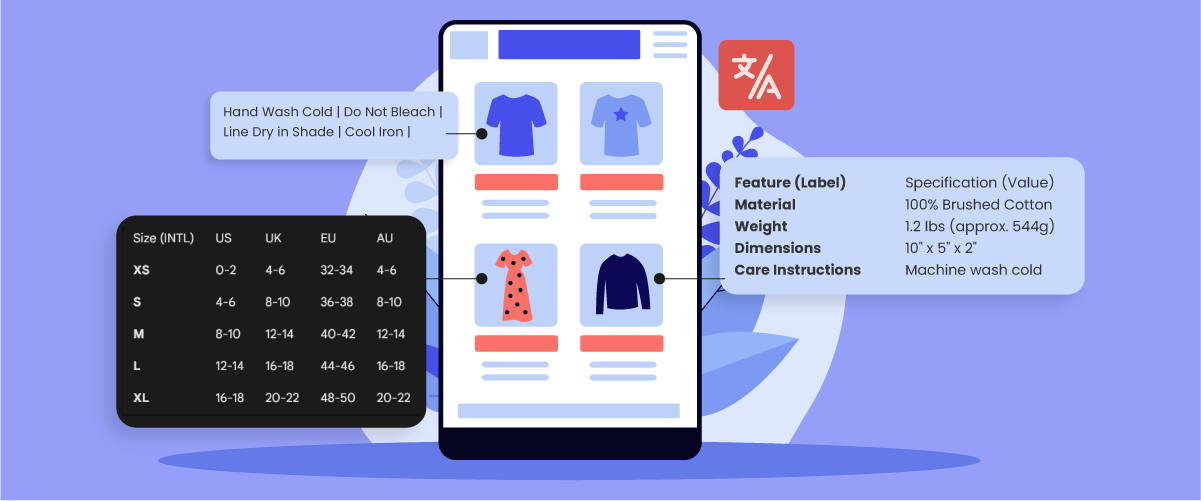
Translating size charts, care instructions, and spec tables can determine whether an international sale succeeds or ends up as a costly return. When measurements are translated literally, units aren’t converted properly, or technical details feel unclear, customers hesitate, or worse, order the wrong product.
Accurate product table translation goes beyond word-for-word conversion. It requires proper size localization, correct measurement units, and clear multilingual formatting to ensure customers purchase with confidence.
Keypoints: Tips for translating size charts, care instructions & spec tables
Ensure clear localization of size & units
Translate size charts with proper unit conversion and regional equivalents so global customers instantly understand measurements without manual calculation, reducing confusion and returns.
Maintain accuracy in care & technical details
Translate care instructions and spec tables precisely, using locally relevant terms for materials and symbols, so customers clearly grasp product care and functionality.
Preserve table structure across languages
Keep consistent layout, alignment, and format of tables when translating to every language to ensure readability and scan-ability, avoiding broken columns or mixed units that confuse shoppers.
Why accurate translation of product tables matter?
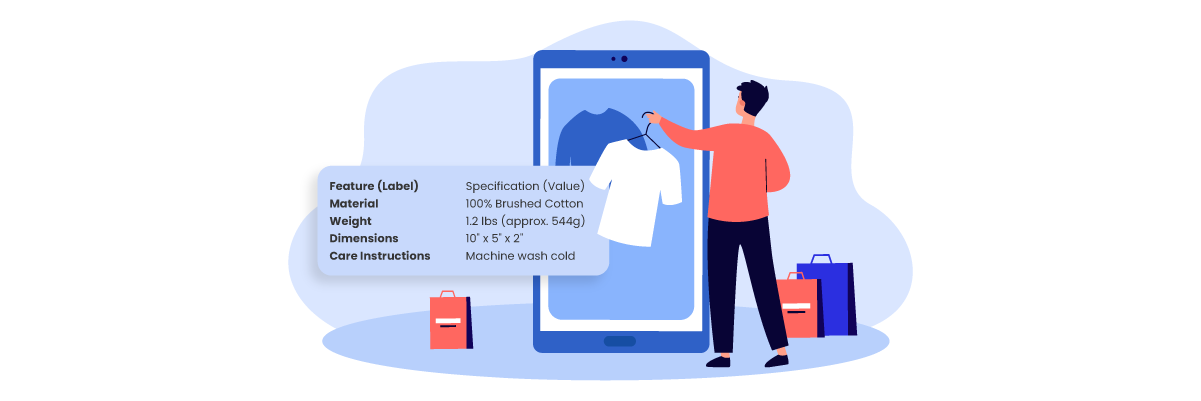
Accurate product table translation directly affects purchasing decisions. When size charts or specifications are unclear, customers either abandon their cart or proceed with uncertainty, both of which increase the risk of returns.
- Reduces product returns: Incorrect size conversions or misunderstood specifications often lead customers to order the wrong product. Clear and localized tables help buyers choose correctly the first time.
- Builds customer confidence: Well-translated size charts and care instructions signal professionalism and reliability. Customers are more likely to trust brands that provide precise and understandable product details.
- Prevents costly misunderstandings: Misinterpreted fabric terms, washing symbols, or measurement units can create false expectations. Accurate translation ensures customers fully understand what they are buying.
- Improves international conversion rates: When product information feels native and easy to read, global customers are more comfortable completing checkout, increasing overall sales performance.
Size chart & measurement translation mistakes

Size charts and measurement tables are highly sensitive elements on a product detail page because they rely on precise numbers. Even small translation errors can lead to wrong purchases. When sizing information isn’t properly localized, customers lose confidence, and returns increase.
Literal translation issues
Literal translation happens when size-related information is translated word-for-word without adapting it to the target market. For example, simply translating “Bust” or “Waist” into another language without considering commonly used local terms can confuse customers.
Different countries may use different wording for body measurements or garment dimensions. A direct translation might be technically correct but unfamiliar to local shoppers, making the size chart feel unreliable or difficult to understand.
Missing unit conversions
One of the most common mistakes is keeping the original measurement units without converting them. Displaying centimeters for a U.S. audience or inches for most European customers forces users to calculate conversions themselves.
This extra effort increases friction during the buying process. Customers may guess their size rather than convert properly, significantly increasing the risk of incorrect orders and product returns.
Ignoring regional fit differences
Sizing is not standardized globally. A “Medium” in one country may fit very differently in another due to variations in average body proportions and fashion standards.
Failing to account for these differences can mislead customers, even if the measurements are technically accurate. Localization should consider how garments are expected to fit in each region—whether slim, regular, or oversized.
Inconsistent sizing labels
Using inconsistent labels, such as mixing S/M/L with numeric sizes (e.g., 38, 40, 42) without a clear explanation, can confuse buyers. When multiple systems appear misaligned, customers struggle to identify the correct option.
Consistency across all language versions is essential. A clear, standardized sizing structure ensures customers can quickly find their equivalent size without second-guessing their decision.
Localizing global size conversions

Selling internationally means dealing with multiple sizing systems. Without proper localization, customers can easily misinterpret their equivalent size, leading to hesitation or incorrect purchases.
US, UK, EU & Asia size systems
Each region uses different sizing standards. A size 8 in the US does not equal a size 8 in the UK, and Asian sizing often runs smaller than Western standards. Simply displaying one system without clarification creates confusion.
To localize effectively, you must clearly define which system is being used and provide equivalents across regions. This helps customers instantly identify their correct size without having to search externally for comparisons.
Clear conversion tables
A well-structured conversion table makes size comparisons simple and transparent. Instead of listing sizes in text form, align them in a clean table that shows direct equivalents across regions.
Clarity is essential. If customers struggle to match their usual size to your chart, they are more likely to abandon their cart. A clear visual layout reduces friction and increases confidence during checkout.
Using a translation solution that preserves table structure, such as Linguise, helps maintain clean formatting across languages without breaking layout or alignment.
Regional fit adjustments
Beyond numeric conversions, fit expectations vary by region. For example, some markets prefer slimmer cuts, while others expect a more relaxed fit.
Indicating whether an item runs small, true to size, or oversized helps set accurate expectations. This extra context prevents customers from relying solely on numbers when choosing their size.
Fit notes & model info
Adding fit notes provides practical guidance that numbers alone cannot explain. Information such as “model is 170 cm and wears size M” gives customers a relatable reference point.
These small details build trust and reduce guesswork. When shoppers can visualize how a product fits on a real person, they feel more confident selecting the right size.
Translating care instructions & technical spec tables

Care instructions and technical specification tables may look simple, but they carry critical product information. If translated incorrectly, they can lead to damaged products, customer complaints, and negative reviews.
Fabric & material term errors
Fabric terminology does not always translate directly from one language to another. A literal translation of material names can sound unnatural or even refer to a different textile in the target market.
Using the correct local term for materials like cotton blends, synthetic fibers, or waterproof fabrics ensures customers understand the product’s true quality and function. Precision here prevents mismatched expectations.
Mistranslated washing symbols
Washing instructions often include standardized symbols, but their written explanations must still be accurate. A small translation mistake, such as confusing “do not tumble dry” with “low tumble dry”, can permanently damage a garment.
Clear and properly localized care instructions protect both the customer and the brand. When buyers know exactly how to maintain the product, they are less likely to blame the company for damage caused by a misunderstanding.
Below is an example of care instructions displayed in English. Washing symbols may be standardized, but the written explanations must be precise to avoid misinterpretation. In this version, each symbol is clearly supported by written instructions such as “Do not wash” or “Do not tumble dry.” If even one phrase is translated inaccurately, customers may handle the garment incorrectly, permanently damaging the product.
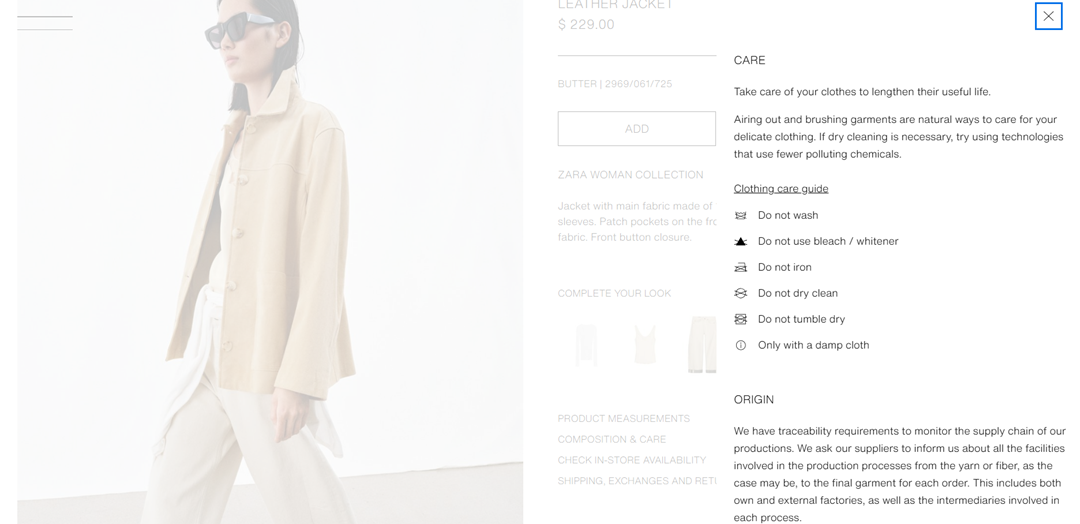
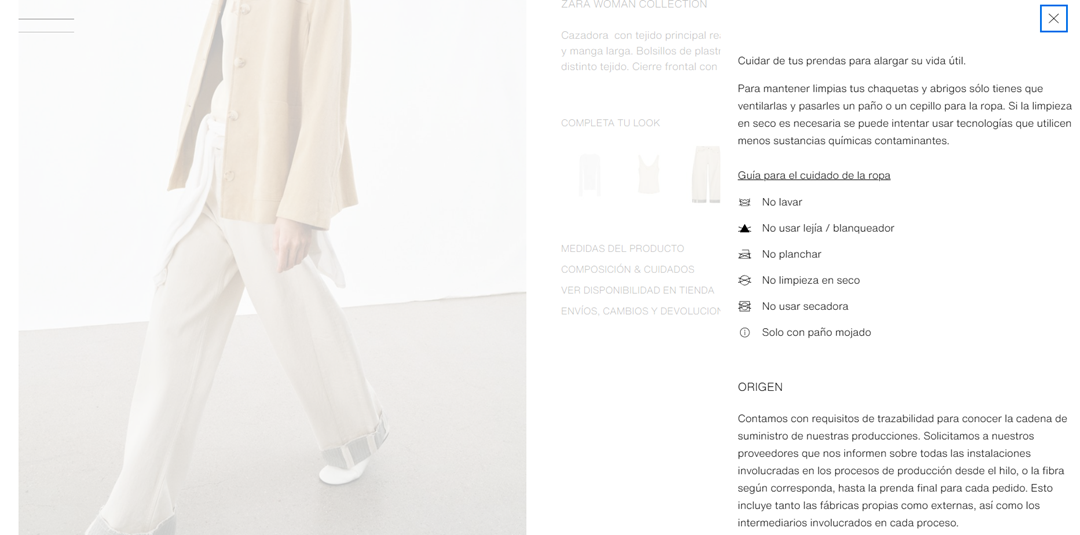
Below is the Spanish version of the same care instructions. While the symbols remain the same, the clarity and accuracy of the localized text are just as critical. Notice how the structure remains consistent while the wording adapts to the target language. A proper localization strategy ensures customers fully understand how to care for the product without confusion, reducing complaints and returns.
Overlooked technical specs
Technical specification tables often contain detailed information such as dimensions, weight, capacity, or performance metrics. Missing or misinterpreting even a single value can misrepresent the product.
Accurate translation ensures customers fully understand what they are purchasing. This is especially important for electronics, equipment, or functional apparel where specifications directly affect usability.
Unclear multilingual table formatting
Even when the translation is correct, poor formatting can create confusion. Misaligned columns, inconsistent terminology, or mixed measurement units make tables difficult to read.
Maintaining a clean, consistent structure across all language versions improves clarity. Well-formatted multilingual tables help customers scan information quickly and make informed decisions with confidence.
Conclusion
Translating size charts, care instructions, and spec tables is a critical step in reducing returns and increasing customer trust. Accurate size localization, proper unit conversions, and clear technical specifications help shoppers buy with confidence and prevent costly misunderstandings.
To scale this process efficiently, use Linguise to automatically translate and localize your product tables while preserving SEO structure and formatting. Register for Linguise to start optimizing your multilingual product pages and turn clearer information into higher conversions.