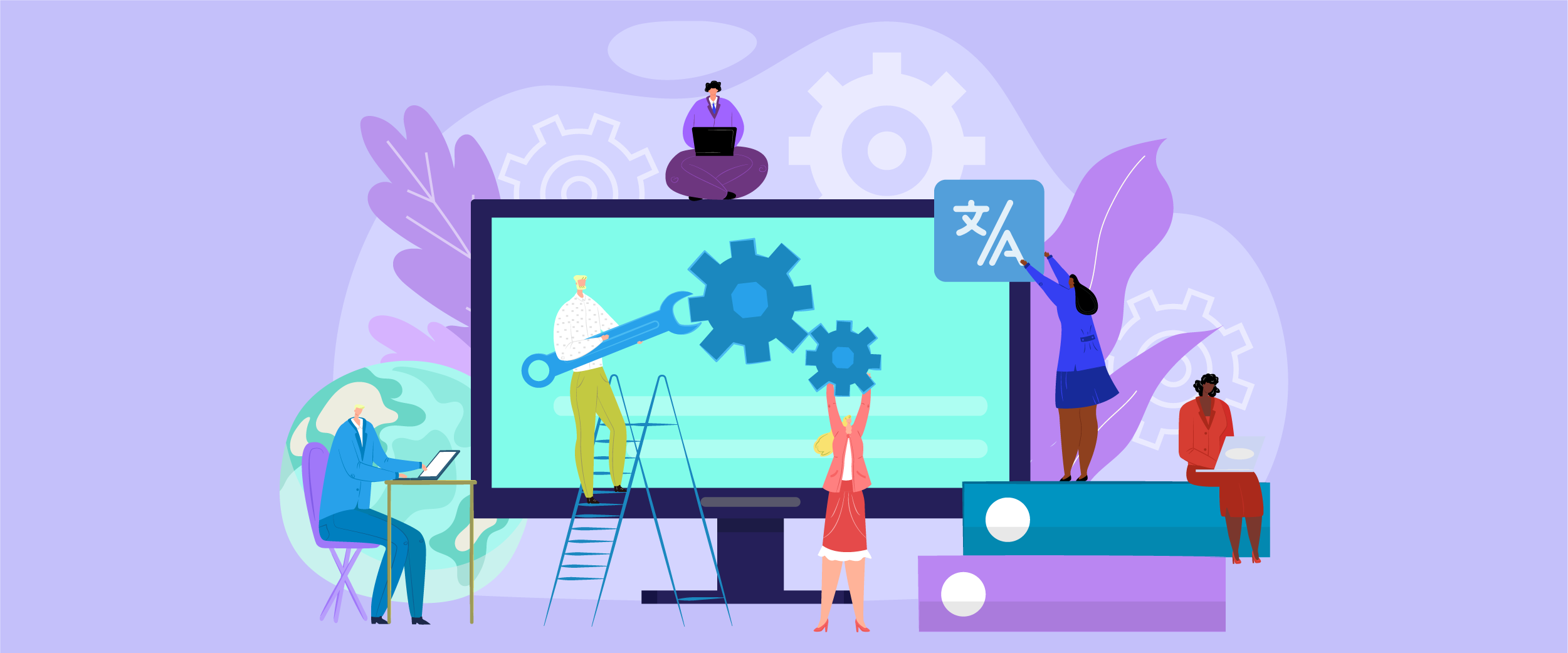
As websites grow and expand into new markets, plugin chaos often becomes unavoidable. What begins with a single translation plugin quickly expands into several tools that handle languages, URLs, and SEO separately. Over time, this fragmented setup creates hidden complexity—updates take longer, inconsistencies appear across languages, and teams lose confidence in whether content is truly aligned or search-ready.
This is where the transition from plugin chaos to a centralized translation system becomes critical. Centralization is not merely a technical upgrade; it’s a strategic shift that brings multilingual content, SEO data, and workflows into one controlled environment. With a single source of truth, growing sites can move faster, stay consistent across languages, and build a foundation that supports long-term international growth—read on to discover how the right migration path can transform your multilingual site.
Keypooints: Migration strategies for scaling websites
Plugin audit first
Map all plugins, workflows, and content to spot overlaps and gaps before migration starts.
Gradual centralization
Consolidate new content or languages first while running parallel to old systems for safe testing.
Seamless full switch
Transfer translations, URLs, and SEO without downtime using redirects and background processing.
Translation management gets complicated
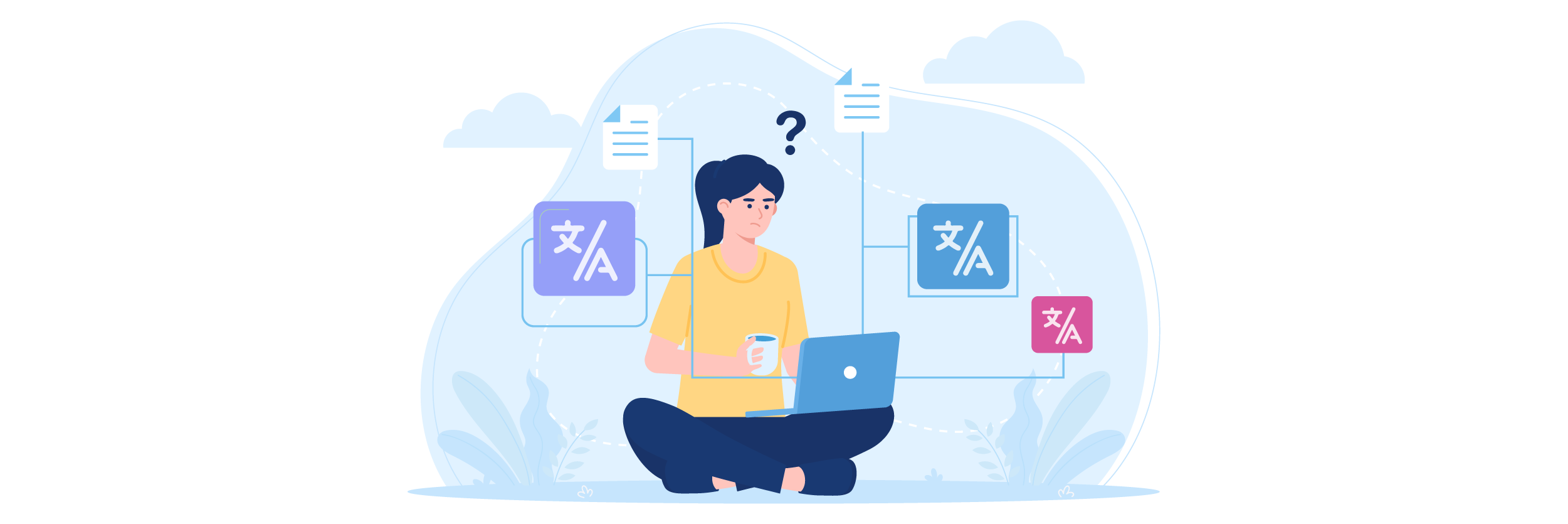
As multilingual websites scale, managing translations becomes less about language and more about coordination. What once worked for a few pages quickly turns into a system that is hard to track, maintain, and control, especially when multiple tools and teams are involved.
Too many plugins to maintain
Using multiple translation plugins often means each one handles a different part of the website—content, menus, SEO, or URLs. While this setup may seem flexible at first, it requires ongoing maintenance. Every plugin requires updates, compatibility checks, and troubleshooting, which increases the risk of conflicts and unexpected issues after website changes.
Over time, teams spend more energy managing tools than improving content. Simple updates can require repetitive actions across plugins, slowing down workflows and increasing the chance of errors. Instead of supporting growth, the plugin stack becomes a bottleneck that limits efficiency and scalability.
No central control
Without a centralized translation system, there is no single place to manage all languages consistently. Content changes in one language may not be reflected in others, and teams often rely on manual tracking or spreadsheets to monitor translation status. This lack of visibility makes it difficult to ensure accuracy and completeness.
As a result, ownership becomes unclear. Editors, translators, and developers may work in silos, leading to duplicated efforts or missed updates. Without central control, maintaining quality and consistency across languages becomes increasingly challenging as the site grows.
Fragmented workflows
When translation tools are disconnected, workflows naturally become fragmented. Content creation, translation, review, and publishing happen in separate systems, requiring frequent context switching. This not only slows down production but also increases the likelihood of miscommunication between teams.
Fragmented workflows make scaling particularly difficult. Adding new languages or updating existing content often requires complex coordination and manual checks. Instead of a smooth, repeatable process, teams are left managing ad hoc steps that don’t support long-term multilingual growth.
SEO and performance suffer
When translation management is fragmented, the impact goes beyond content operations, it directly affects SEO and website performance. Multilingual complexity, if not managed effectively, can quietly erode search visibility and the user experience across regions.
Inconsistent URLs and metadata
Without a centralized translation system, URLs and metadata are often generated inconsistently across languages. Some pages may use different URL structures, while others lack proper language indicators, making it difficult for search engines to understand the relationship between translated pages.
Metadata, such as titles and descriptions, also tends to fall out of sync. A page may be well-optimized in one language but poorly configured in another, reducing its chances of ranking. Over time, these inconsistencies dilute SEO efforts and prevent multilingual pages from performing equally well in search results.
Duplicate or missing content
Multiple plugins can unintentionally create duplicate content across languages. This happens when translations are not correctly linked, or when search engines index multiple versions of the same page without clear language signals. Duplicate content confuses search engines and can reduce overall ranking potential.
At the same time, missing content becomes a common issue. Pages updated in the primary language may never be translated or published in others, leaving gaps in the user experience. For visitors, this feels broken; for search engines, it signals poor content quality and weak site structure.
Slower page speed
Each additional translation plugin often adds extra scripts, database queries, or API calls to the website. While the impact may seem minor individually, the combined effect can significantly slow down page load times, especially on multilingual pages.
Slower performance affects both users and SEO. Visitors are more likely to leave if pages take too long to load, and search engines factor page speed into their ranking algorithms. In the long run, poor performance undermines the very growth that multilingual expansion is meant to achieve.
What centralized translation actually means
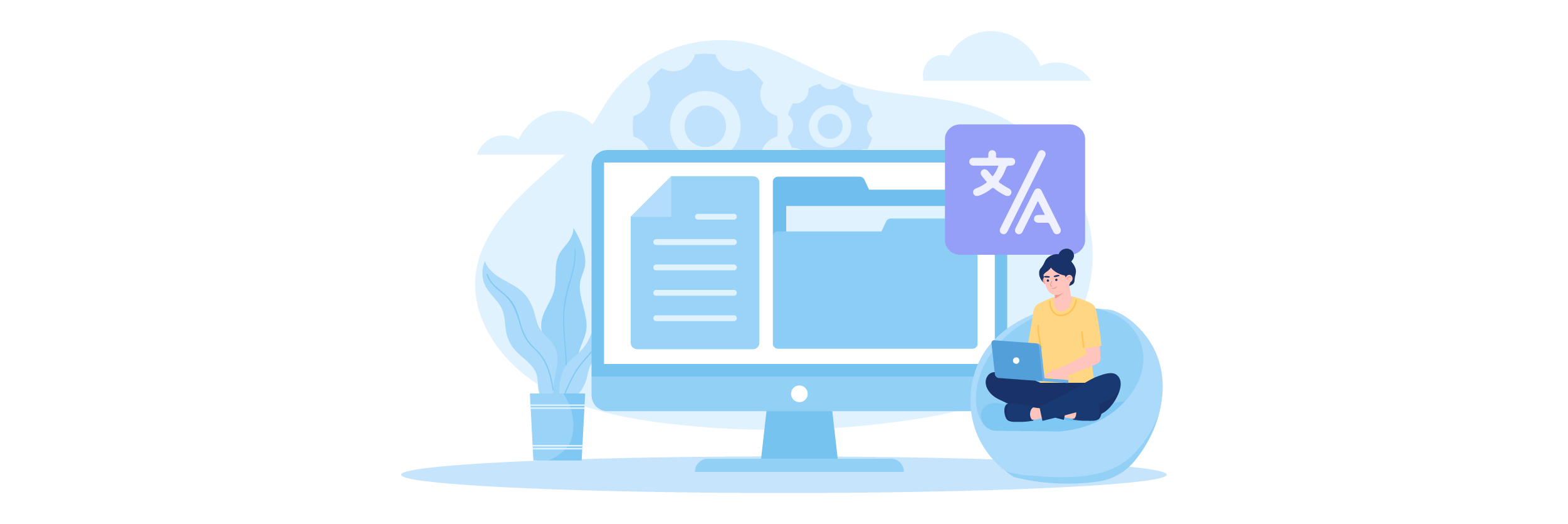
Centralized translation is not just about replacing plugins—it’s about redefining how multilingual content is managed. Instead of scattered tools and manual coordination, everything works within a single, connected system.
One system for all languages
A centralized translation system brings all languages into one platform, where content is created, translated, reviewed, and published together. This eliminates the need to switch between plugins or dashboards, making the process more efficient and easier to understand for everyone involved.
With a single system, teams gain a clear overview of which content exists in each language and what still needs attention. This visibility reduces errors, avoids duplication, and ensures no language is left behind as the website grows.
Content and SEO stay in sync
Centralization ensures that content updates and SEO elements move together. When a page is updated, its translations, metadata, and language URLs are automatically aligned, reducing the risk of outdated or inconsistent information.
This synchronization helps search engines index multilingual pages accurately. As a result, each language version is more likely to rank, and SEO efforts remain consistent across all markets without additional manual work.
Clear ownership and control
With a single system, roles and responsibilities become clear. Editors know what needs approval, translators see what requires translation, and developers can focus on technical stability rather than content coordination.
Clear ownership also improves quality control. Changes are tracked, workflows are transparent, and teams can confidently manage multilingual content without confusion or overlapping tasks.
Migration paths from plugin chaos
Moving away from plugin chaos doesn’t have to be disruptive. With the right approach, websites can transition to centralized translation in a structured, low-risk manner.
Auditing existing plugins and methods
The first step is understanding what’s already in place. This means reviewing current translation plugins, manual processes, and integrations to identify overlaps, limitations, and dependencies.
An audit helps teams see what’s working and what’s causing friction. By mapping existing content and workflows, it becomes easier to plan a migration that preserves important data while eliminating unnecessary complexity.
Gradual consolidation strategy
For many growing sites, a gradual approach works best. Instead of replacing everything at once, teams can start centralizing new content or specific languages while keeping the existing system running.
This strategy minimizes risk and allows teams to adapt at a comfortable pace. It also provides opportunities to test workflows, train users, and refine processes before fully committing to a centralized setup.
Some centralized translation platforms, such as Linguise, are designed to support this kind of gradual migration. By allowing teams to centralize translations step by step—without forcing an immediate system-wide change—websites can reduce risk, maintain stability, and transition at a pace that fits their operational needs.
Full migration without downtime
A well-planned migration can be completed without interrupting live traffic. Content and translations are transferred in the background, while SEO structures like URLs and redirects are carefully maintained.
By prioritizing continuity, websites avoid ranking losses and user disruption. The result is a smooth transition, with users experiencing consistent content even as the underlying system changes completely.
Building a scalable translation system
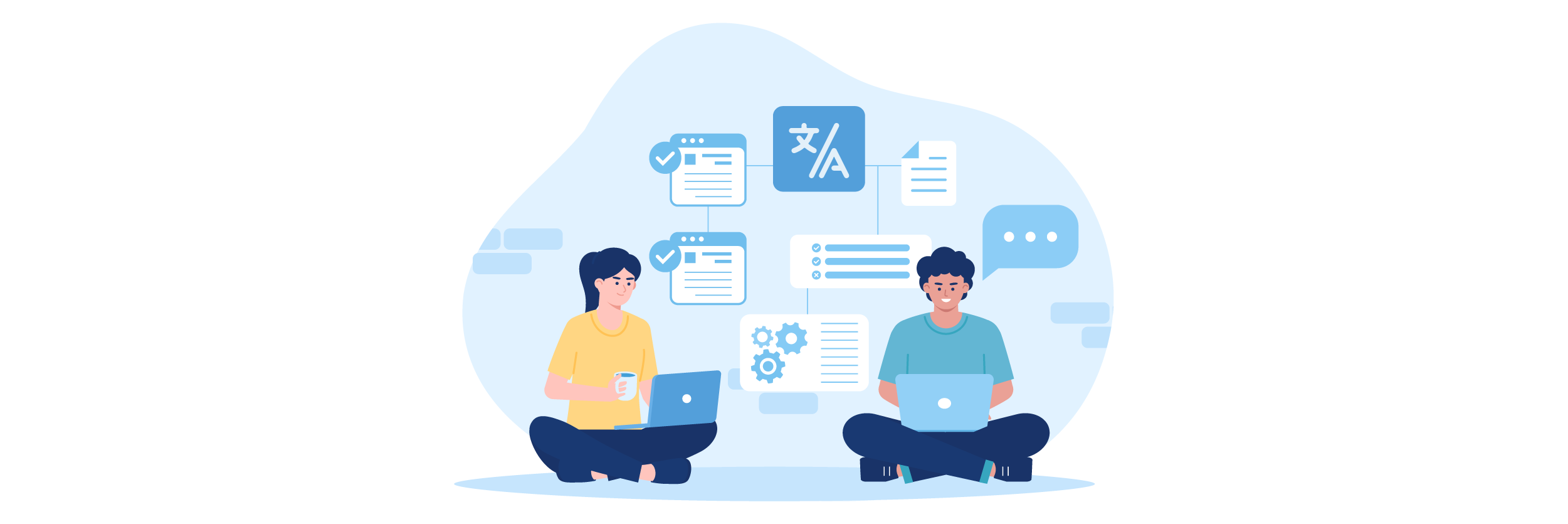
A scalable translation system is designed to grow with the website. It supports new languages, higher content volume, and evolving business needs without increasing complexity.
Simplified translation workflows
Centralization simplifies workflows by integrating content creation, translation, and publishing into a single process. Tasks move automatically between stages, reducing manual coordination and unnecessary delays.
This structure helps teams work faster and more confidently. Everyone understands their role, and translations progress smoothly from draft to publication without constant follow-ups.
Easier updates across languages
When content changes, updates can be applied across all languages more efficiently. Instead of manually editing each version, teams can quickly identify what needs updating and ensure consistency across all versions.
This makes maintaining multilingual content far less time-consuming. Updates become routine rather than stressful, even as the website continues to expand.
Ready for future growth
A centralized system prepares websites for long-term expansion. Adding new languages, markets, or content types becomes a predictable process rather than a technical challenge.
By reducing operational overhead, teams can focus on strategy and growth. The translation system no longer limits progress—it actively supports global scalability and performance.
Conclusion
For growing websites, plugin chaos becomes a real barrier to scalability, SEO performance, and operational efficiency. As translation tools proliferate, control erodes, workflows break down, and multilingual content becomes harder to manage consistently. Moving to a centralized translation system allows teams to regain clarity, reduce complexity, and ensure that content, SEO, and performance stay aligned across all languages.
A centralized approach is not just about solving today’s problems, but about preparing for future growth. With the right migration path and a system designed for scale, multilingual management becomes faster, more reliable, and easier to maintain. Start simplifying your translation strategy with Linguise, and turn multilingual growth into a competitive advantage.