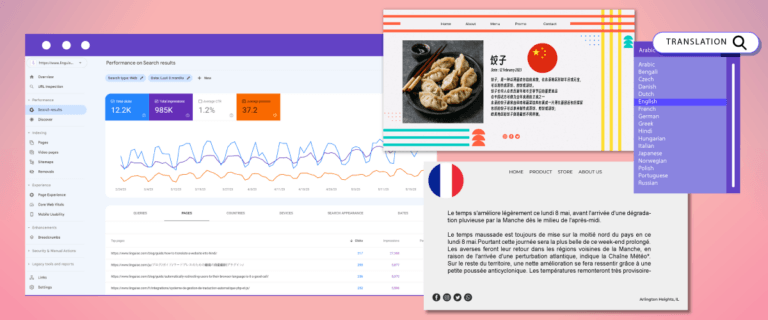

Localized lead magnets are no longer a nice-to-have—they are a practical way to turn a single ebook or calculator into a global asset that drives consistent leads across markets. Many teams already invest time creating high-value lead magnets, but without localization, those assets often stop performing once they reach audiences with different languages, cultures, and expectations. What works well in one market may feel irrelevant or confusing in another, even if the core offer is strong.
In this article, you’ll learn how localized lead magnets work, how to choose the right formats, and how to adapt and promote them effectively in different regions without starting from scratch. Keep reading to discover how one well-built lead magnet can fuel global lead generation and support your growth in multiple markets at the same time.
Keypoints: Localized lead magnets
Scalable asset formats
Choose ebooks, calculators, checklists that easily adapt examples, data, and visuals for each market.
Cultural relevance boost
Localize tone, metrics, currencies, and case studies beyond translation for native trust and engagement.
Localized promotion channels
Create language-specific landing pages and target regional SEO/ads for 3-5x higher conversions.
Why localized lead magnets work globally?

Localized lead magnets work because they meet audiences where they are, both linguistically and contextually. When people believe a resource is designed specifically for their market, they are more likely to trust it, engage with it, and share their contact information.
- Feel more relevant to local audiences: When a lead magnet uses familiar language, examples, and terminology, it immediately feels more relatable. Readers don’t have to mentally “translate” the content, reducing friction and increasing the likelihood that they will complete the form and consume the asset.
- Build trust faster: Localization signals effort and credibility. A well-localized ebook or calculator shows that your brand understands local needs and challenges, not just global ones. This perceived understanding helps build trust earlier in the buyer journey.
- Increase conversion rates across markets: Small adjustments—such as using the local currency, region-specific data, or a culturally appropriate tone—can significantly impact performance. By aligning the lead magnet with local expectations, you reduce confusion and increase the likelihood that visitors become qualified leads.
- Scale without multiplying effort: Localized lead magnets reuse a strong core asset while adapting only what matters. This approach allows teams to expand into new markets efficiently, generating global leads without recreating content from scratch.
Choosing the right lead magnets

Not every lead magnet is built to scale globally. Choosing the right format and purpose from the start makes the difference between an asset that works in one market and one that can be reused, adapted, and promoted across many regions without losing impact.
Scalable formats
Scalable lead magnets are formats that remain useful even when translated or localized. Ebooks, checklists, templates, and calculators are strong examples because their structure stays consistent while the language and examples can change. Imagine a simple ROI calculator, the logic stays the same, but the currency, assumptions, and labels can be adjusted for each market.
These formats also simplify localization workflows. Teams can focus on adapting content instead of redesigning the asset. As a result, you can launch the same lead magnet in multiple languages faster, with fewer resources, and still maintain quality.
Buyer intent fit
A good lead magnet matches where the audience is in their decision-making journey. Someone at the awareness stage may prefer an educational guide, while a high-intent visitor is more likely to engage with a calculator or assessment. Choosing the wrong type can reduce conversion, even if the content is well localized.
When expanding globally, buyer intent may differ by market. In some regions, users want practical tools right away, in others, they prefer educational content first. Aligning the lead magnet with local buyer intent ensures your localized asset attracts leads that are not only numerous but also relevant.
Reusable assets
Reusable lead magnets are designed with modular content. Core sections stay the same, while examples, case studies, or data points can be swapped based on the target market. This approach prevents you from rebuilding assets from scratch every time you enter a new region.
Over time, reusable assets become a foundation for global lead generation. One well-designed ebook or calculator can power dozens of localized campaigns, helping teams scale faster while keeping messaging consistent across markets.
Adapting lead magnets for local markets

A lead magnet that performs well in one country will not automatically succeed in another. Adapting lead magnets for local markets means going beyond language and ensuring the content feels relevant, trustworthy, and familiar to the audience you aim to reach.
Translate vs localize content
Translation focuses on converting words from one language to another, but localization adapts the meaning, examples, and intent behind those words. For example, an ebook translated word-for-word may sound correct, yet still feel foreign or awkward to local readers.
Localization helps the lead magnet feel “made for them.” By adjusting terms, references, and even structure, you create an experience that feels natural in each market, thereby increasing trust and improving conversion rates.
This is where having the right localization tool matters. With Linguise, teams can go beyond basic translation and manage localized content directly on the page, making it easier to adapt meaning, terminology, and context for each market.
Adapting messaging and tone
Different markets respond to different communication styles. Some audiences prefer direct, benefit-driven language, while others value detailed explanations and a more formal tone. Using the same messaging everywhere can weaken the impact of your lead magnet.
By adapting tone and messaging, you align the lead magnet with local expectations. This small shift often makes a big difference, helping readers connect emotionally with the content and feel confident sharing their information.
Using local data and context
Local data makes a lead magnet feel relevant and credible. Using familiar statistics, regional examples, or market-specific challenges helps readers see how the content applies to their real situation.
When users recognize their own context in the lead magnet, they are more likely to engage and convert. Local data turns a generic asset into a practical resource that feels immediately useful.
Adjusting visuals and formats
Visual elements such as icons, colors, charts, and layouts can also affect how a lead magnet is perceived. Certain symbols or design styles may work well in one region but feel confusing or inappropriate in another.
Adapting visuals and formats ensures that the lead magnet remains clear and accessible across markets. When design and content work together, the localized asset feels cohesive, professional, and tailored to the local audience.
Promoting localized lead magnets

Creating localized lead magnets is only half the work. To turn them into real lead generators, you need a promotion strategy that matches how each market searches, clicks, and converts.
Local SEO and landing pages
Localized lead magnets perform best when supported by local SEO and dedicated landing pages. Instead of sending all traffic to one global page, creating country- or language-specific landing pages helps search engines and users understand that the content is relevant to them.
When someone finds a lead magnet through a search in their own language and lands on a page that speaks directly to their needs, trust builds instantly. This familiarity increases both organic visibility and conversion rates.
Paid campaigns and regional channels
Paid campaigns should also reflect local behavior. Platforms, ad formats, and messaging that work in one country may not perform the same way in another. Some regions respond better to search ads, while others engage more with social or native platforms.
By tailoring paid campaigns to regional channels, you meet users where they already are. This approach reduces wasted spend and helps localized lead magnets reach the right audience at the right time.
Tracking leads by market
Tracking leads by market allows you to see which regions and assets perform best. Without this visibility, it is difficult to know whether localization efforts are truly driving results or just adding complexity.
When lead data is segmented by language or region, patterns start to appear. These insights help teams refine content, adjust promotion strategies, and scale what works most effectively across global markets.
Conclusion
Localized lead magnets are a powerful way to turn a single ebook or calculator into a global asset that consistently drives leads across markets. By choosing scalable formats, adapting content to local context, and promoting assets through the right regional channels, teams can connect translation efforts directly to lead generation and pipeline growth—without rebuilding everything from scratch.
If you want to scale localized lead magnets efficiently, the right translation solution makes all the difference. Linguise helps you localize, manage, and optimize multilingual lead magnets faster, while maintaining consistency and quality across markets. Start using Linguise and turn your best-performing lead magnets into global growth engines.