Many ecommerce businesses think translating their website is enough to start selling internationally. In reality, a store can be fully translated and still struggle with abandoned carts and low conversions because ecommerce localization goes far beyond language. Payment methods, pricing formats, trust signals, visuals, and post-purchase communication all affect how international customers shop.
A customer may understand your products perfectly but still leave at checkout because their preferred payment option is missing or the buying experience feels unfamiliar. In this ecommerce localization checklist, we’ll cover important steps most stores skip before and after translation to help you create a smoother global shopping experience.
Key points: Key ecommerce localization insights beyond translation
Localization goes beyond language
Ecommerce localization includes adapting payment methods, currencies, trust signals, visuals, and post-purchase communication for different markets.
Translation alone does not guarantee conversions
International customers may still abandon checkout if the shopping experience feels unfamiliar, even when the store content is fully translated.
The customer journey must be fully localized
A complete ecommerce localization checklist should optimize the experience before and after checkout to improve trust and global conversions.
Why is ecommerce translation not enough?

Translating your ecommerce store helps international customers understand your content, but understanding alone does not guarantee conversions. Many stores lose potential buyers because the shopping experience still feels unfamiliar, inconvenient, or untrustworthy for local customers.
- Payment methods may not match local preferences: A customer in the Netherlands may expect iDEAL, while shoppers in some Asian countries still prefer Cash on Delivery. Even with accurate translations, customers can abandon their carts if their preferred payment option is unavailable.
- Pricing and currency can feel confusing: Showing prices only in USD or using unfamiliar number formats can create hesitation during checkout. Customers are more likely to trust stores that display prices in their local currency and format.
- Visuals may not fit local culture: Product banners, promotional campaigns, or lifestyle images that work in one country may feel irrelevant in another. Ecommerce localization also includes adapting visuals to match local expectations and shopping behavior.
- Transactional emails are often overlooked: Many stores translate product pages but leave order confirmations, shipping updates, and refund emails in the default language. This creates an inconsistent customer experience after checkout.
- Trust signals vary by region: International shoppers often look for familiar payment logos, local reviews, shipping information, or customer support channels before making a purchase. Without these trust signals, customers may hesitate to make a purchase.
Ecommerce localization checklist before customers checkout

Before customers reach the checkout page, they have already formed opinions about your store. This is why ecommerce localization should focus on reducing friction throughout the entire pre-checkout experience.
Add local payment methods
Payment preferences vary significantly across countries, and relying solely on global payment options is one of the biggest reasons international customers abandon their carts. While credit cards may be common in some regions, many customers prefer local payment solutions they already trust and use daily.
For example, shoppers in the Netherlands commonly use iDEAL, while customers in Germany often prefer Klarna or bank transfers. In several Asian countries, Cash on Delivery is still widely used because many customers feel more comfortable paying after the product arrives. In Indonesia and Brazil, digital wallets are also becoming increasingly popular for e-commerce purchases.
Adding local payment methods helps reduce hesitation at checkout because customers instantly recognize familiar, trusted options. Even a fully translated store can lose conversions if buyers cannot pay using their preferred method.
Localize pricing and currency
Displaying prices in a customer’s local currency creates a more comfortable shopping experience and helps buyers quickly understand product costs without having to manually convert prices. Customers are more likely to trust a store when pricing feels familiar and transparent.
Localization also includes adapting number formats, tax displays, and currency placement. For example, some countries use commas instead of decimal points, while others place the currency symbol before or after the amount. These small differences can affect how professional and trustworthy your store appears. For example, a product may initially display prices in USD.
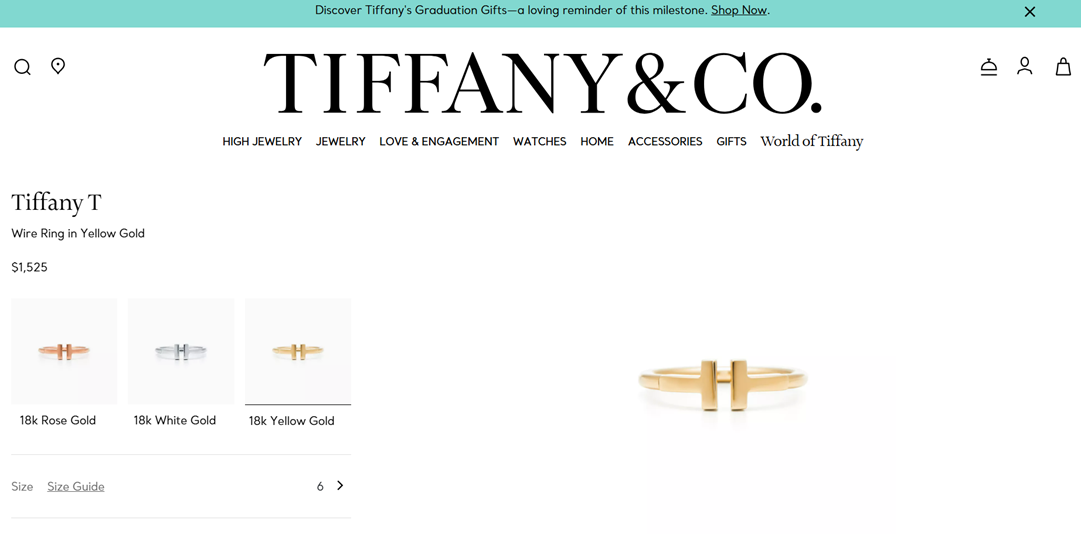
When customers switch the store language to Japanese, the currency can automatically change to Japanese Yen, helping shoppers instantly understand the actual price without needing manual conversion.
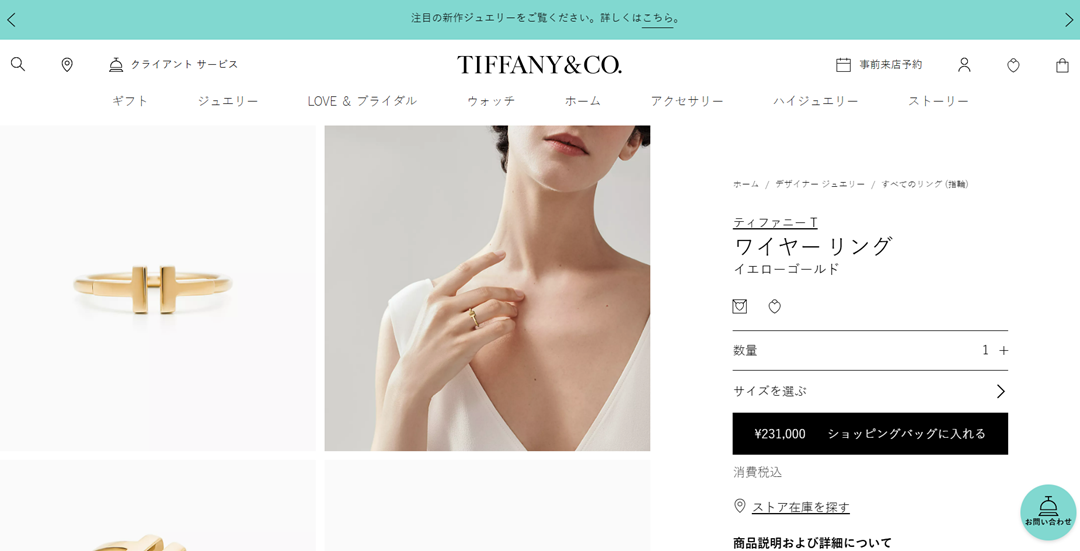
Showing local currencies early in the shopping journey helps customers feel more confident about the final price.
Adapt product visuals
Product images and promotional banners that work well in one country may not always connect with audiences in another region. Ecommerce localization is not only about translating text but also about adapting visuals to fit local culture, shopping behavior, and customer expectations.
For example, seasonal campaigns differ across countries. A winter-themed promotion may feel irrelevant for customers in tropical regions, while holiday campaigns can vary widely depending on local traditions. Fashion ecommerce stores also often localize model styling, colors, or product presentation to better match regional preferences.
Even small visual adjustments can make a store feel more local and relatable. When customers feel represented by the imagery and branding, they are more likely to trust the store and continue shopping.
Translate key store pages
Many e-commerce businesses focus solely on translating product pages, leaving other important pages in the default language. However, customers often visit additional pages before deciding to buy, especially when shopping from an international store.
Key pages that should always be localized include the homepage, navigation menus, checkout pages, FAQs, shipping information, return policies, and contact pages. Customers rely on these pages to understand how the store works and whether it feels trustworthy.
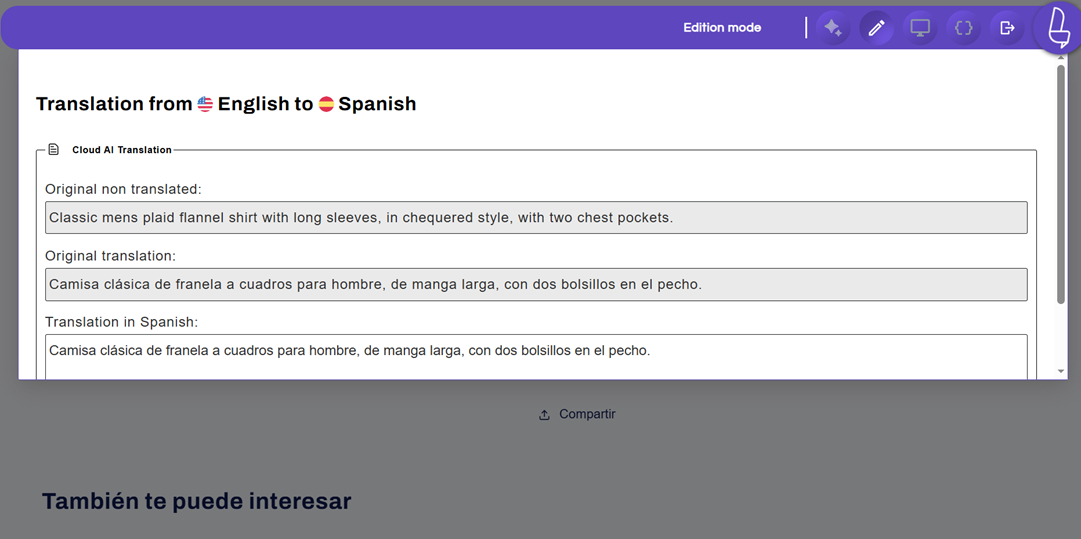
If shoppers suddenly encounter untranslated menus or mixed-language content, the buying experience feels inconsistent and unprofessional. Complete localization across essential store pages creates a smoother customer journey and helps reduce confusion before checkout. Tools like Linguise’s translation with a live editor can also help businesses visually adjust translations and localization directly on the page, improving consistency across multilingual stores.
Add local trust signals
Trust plays a major role in international ecommerce, especially when customers are unfamiliar with your brand. Even if your products are appealing, shoppers may hesitate to buy if the store lacks recognizable trust signals for their region.
Local trust signals can include familiar payment logos, region-specific customer reviews, local shipping information, security badges, or localized customer support channels. For example, many customers in Indonesia and Brazil are more comfortable contacting stores via WhatsApp support than via email alone.
Displaying clear trust elements throughout the shopping journey reassures customers that your store is reliable and prepared to serve buyers in their country.
Ecommerce localization checklist after translation is complete

After translating your ecommerce store, the localization process is not finished yet. Many businesses focus only on multilingual product pages but forget to optimize the customer experience after shoppers begin interacting with the store. This often leads to checkout friction, inconsistent communication, and lower international conversions.
Test multilingual checkout
A translated store can still lose customers if the checkout experience feels broken or inconsistent. This is why testing the multilingual checkout process is one of the most important steps after translation is complete.
Check whether all checkout elements are properly localized, including payment buttons, error messages, shipping methods, and form labels. Some stores accidentally leave parts of the checkout page in the default language, especially when using third-party payment gateways or plugins.
You should also test the checkout flow from different regions and devices. For example, customers selecting local payment methods like iDEAL or Klarna should experience a smooth checkout process without unexpected language switches or confusing redirects.
Localize transactional emails
Transactional emails are often overlooked in ecommerce localization. Many stores successfully translate their websites, but still send order confirmations, shipping updates, password resets, and refund emails in the default language.
This creates an inconsistent customer experience because buyers suddenly receive important information they may not fully understand. Since transactional emails include order details and delivery information, localization is essential to build trust after checkout. Tools like Linguise can help maintain more consistent multilingual communication across your ecommerce store and emails.
For example, a customer shopping in Spanish may feel confused if the store interface is fully translated but the shipping confirmation email arrives entirely in English. Localizing these emails helps maintain a professional, seamless experience throughout the customer journey.
Review post-purchase communication
Localization should continue even after customers complete their purchase. Post-purchase communication plays a major role in customer satisfaction, repeat purchases, and long-term trust.
Review all customer interactions after checkout, including shipping notifications, delivery updates, return instructions, customer support replies, and follow-up emails. Ensure these communications use the customer’s language and align with local expectations.
In some countries, customers expect faster and more direct support channels. Adapting communication methods to local behavior can improve the overall shopping experience.
Check the mobile shopping experience
A large percentage of international ecommerce traffic comes from mobile devices, so localization should also be tested on smartphones and tablets. Some translated content may look fine on desktop but create layout issues on smaller screens.
Longer translated text can break buttons, menus, or product layouts, especially in languages like German or French. Currency displays, popups, and navigation menus should also remain easy to use on mobile devices.
Testing the mobile shopping experience helps ensure that international customers can browse products, access checkout pages, and complete purchases comfortably on any device.
Monitor regional conversions
Localization is an ongoing process, not a one-time setup. After launching multilingual ecommerce pages, monitor how customers from different regions interact with your store to identify localization gaps and conversion issues.
Track metrics such as bounce rates, abandoned carts, conversion rates, and checkout completion by country or language. If one region shows significantly lower conversions, it may indicate problems with payment methods, pricing, shipping expectations, or untranslated content.
For example, high cart abandonment in a specific country could mean customers do not trust the available payment options or feel confused by shipping costs. Regional analytics help you continuously improve the localized shopping experience.
Common ecommerce localization mistakes most stores still make

Many ecommerce businesses invest in translation tools but still overlook important localization details that affect customer trust and conversions. Even minor inconsistencies throughout the shopping journey can leave international customers feeling uncertain before completing a purchase.
Using the same checkout flow
Many stores use the same checkout process across countries without considering local shopping behavior. While a checkout flow may work well in one market, customers in another region may expect different payment methods, address formats, or delivery options.
For example, some countries rely heavily on digital wallets, bank transfers, or Cash on Delivery instead of credit cards. If customers cannot complete payments using familiar methods, they are more likely to abandon their carts even if the store is fully translated.
Ignoring local customer support
Customer support preferences vary between regions, but many stores still rely on a single support channel for all international customers. This can create frustration when buyers expect faster or more familiar communication methods.
For example, WhatsApp support is widely preferred in countries like Indonesia and Brazil, while live chat may be more common in other markets. Offering localized support channels helps customers feel more comfortable contacting your business before and after checkout.
Leaving emails untranslated
One of the most common localization mistakes is translating the website while leaving transactional emails in the default language. Customers may receive order confirmations, shipping updates, or refund notifications that they cannot fully understand.
This creates an inconsistent experience because the customer journey suddenly changes language after checkout. Localized emails help maintain trust and ensure customers clearly understand important purchase and delivery information.
Using mismatched visuals
Visual content that works in one country may not connect with audiences in another region. Many ecommerce stores continue using the same banners, promotional images, or seasonal campaigns globally without adapting them to local culture and shopping behavior.
For example, holiday campaigns, fashion styles, or lifestyle imagery can vary significantly across markets. Using culturally relevant visuals helps international customers feel more connected to the brand and improves overall engagement.
Skipping post-purchase localization
Some stores focus heavily on translating product pages and checkout flows, but ignore the customer experience after purchase. However, post-purchase interactions strongly influence customer satisfaction and repeat sales.
Shipping notifications, return instructions, customer service replies, and follow-up messages should also be localized. A smooth post-purchase experience reassures customers that the store is reliable and prepared to support international buyers beyond the initial transaction.
Conclusion
Ecommerce localization is much more than simply translating your store into multiple languages. From local payment methods and pricing formats to transactional emails and post-purchase communication, every part of the customer journey influences how international customers trust and interact with your ecommerce business. Even small localization gaps can create friction, leading to abandoned carts and lower global conversions.
Linguise simplifies ecommerce localization by automatically translating your store and helping you create a smoother multilingual shopping experience across languages and regions. Start with Linguise to reduce localization friction, improve international customer trust, and build a more conversion-friendly ecommerce experience for global markets.