Multilingual email flows often decide whether an international visitor becomes a loyal customer or disappears after the first visit. Imagine a shopper from Spain adds a product to their cart on your site, only to receive a cart-abandonment email in English a few hours later. Instead of feeling reminded, they feel disconnected, and the chance of conversion drops instantly.
This happens more often than many store owners realize. Email is one of the most powerful channels for repeat purchases, but its impact weakens when the language doesn’t match the customer’s experience on the website. By localizing your cart abandonment, welcome, and win-back emails, you create a smoother journey that feels personal, familiar, and trustworthy.
Why multilingual email flows matter?
Multilingual email flows help businesses maintain a smooth and personalized experience for customers across different countries. When emails match the customer’s language, the communication feels more natural, making them more likely to engage with your brand.
- Higher open and click rates: Customers are more likely to open and interact with emails written in their native language. Clear subject lines and CTAs remove confusion and make the message instantly understandable.
- Consistent customer experience: If a user browses your website in one language but receives emails in another, it creates a disconnect. Multilingual email flows keep the experience seamless from the first visit to follow-up messages.
- Stronger trust and brand perception: Emails in the customer’s language show that your brand cares about their experience. This small detail can build credibility and make international customers feel more comfortable making a purchase.
- Better conversion and repeat purchases: When messages are clear and relevant, customers are more likely to complete purchases or return to your store. Localized emails reduce friction and encourage long-term engagement.
- More effective global marketing automation: Multilingual flows allow you to run automated campaigns across different markets without creating separate manual processes, making it easier to scale internationally.
Key types of multilingual email flows

Not all emails serve the same purpose. Some are meant to welcome new customers, others to remind them about unfinished purchases, and still others to bring them back after a long silence. When these email flows are localized, each message feels more personal and relevant to the customer’s journey.
Cart abandonment emails
Imagine a customer from Germany browsing your store, adding a pair of shoes to their cart, and then leaving before completing the purchase. A few hours later, they receive a reminder email—but it’s written entirely in English. Instead of being helpful, the email comes across as distant and automated, prompting the customer to ignore it.
Now picture the same scenario, but the reminder arrives in German, with a clear message and a familiar tone. The customer immediately understands the offer, recognizes the product name, and feels more comfortable returning to complete the purchase. This simple language adjustment can turn an abandoned cart into a successful sale.
Welcome email series
A welcome email is often the first real conversation between your brand and a new subscriber.
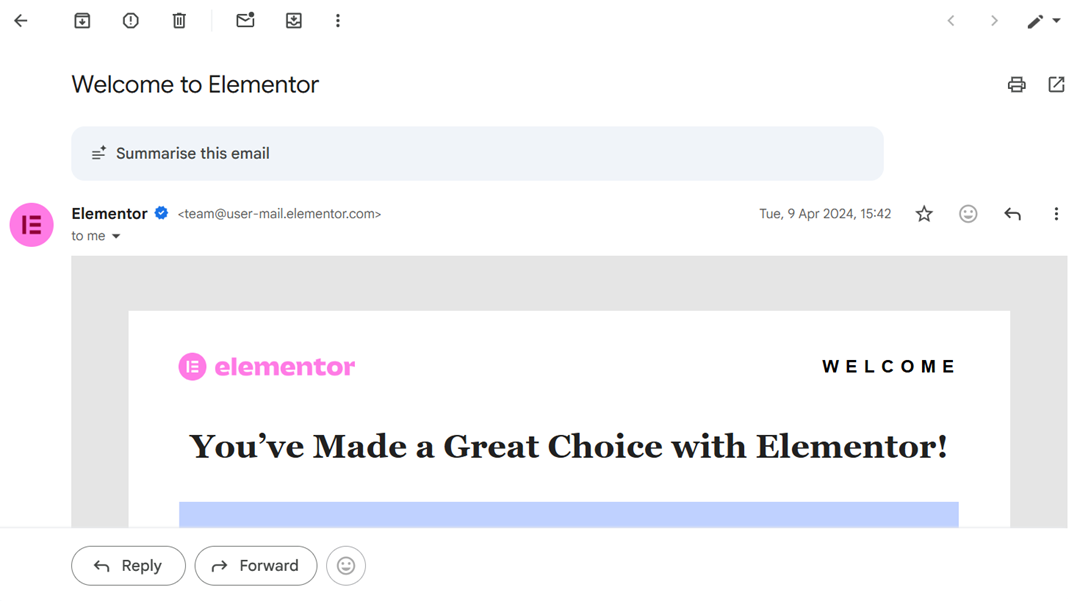
For example, a customer from France signs up for your newsletter after browsing your translated website. If the welcome email arrives in French, it feels like a natural continuation of their experience.
The message can introduce your brand, highlight popular products, and offer a small discount for the first purchase. Because everything is in the customer’s language, the information is easy to absorb, and the brand feels more approachable. This early positive impression increases the chances of a first conversion.
Win-back campaigns
Win-back emails target customers who haven’t interacted with your store for a while. Imagine a customer from Japan who made a single purchase but hasn’t returned in months. Receiving a generic English email about a new promotion may not be enough to grab their attention.
But if the email arrives in Japanese, with a friendly tone and a personalized offer, it feels more relevant. The customer understands the message immediately and may be encouraged to return to the store. Localizing win-back emails helps reconnect with international customers and reminds them why they liked your brand in the first place.
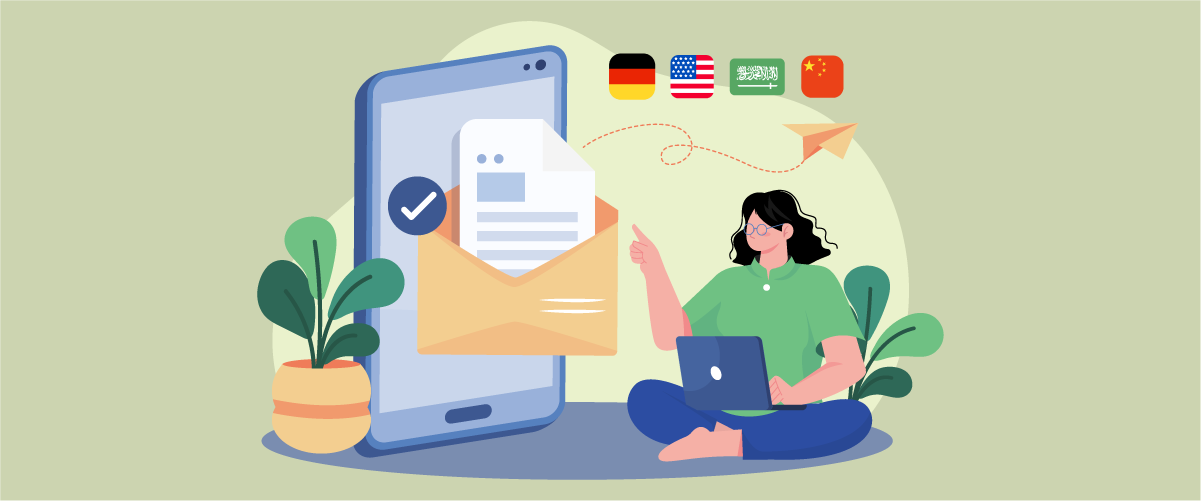
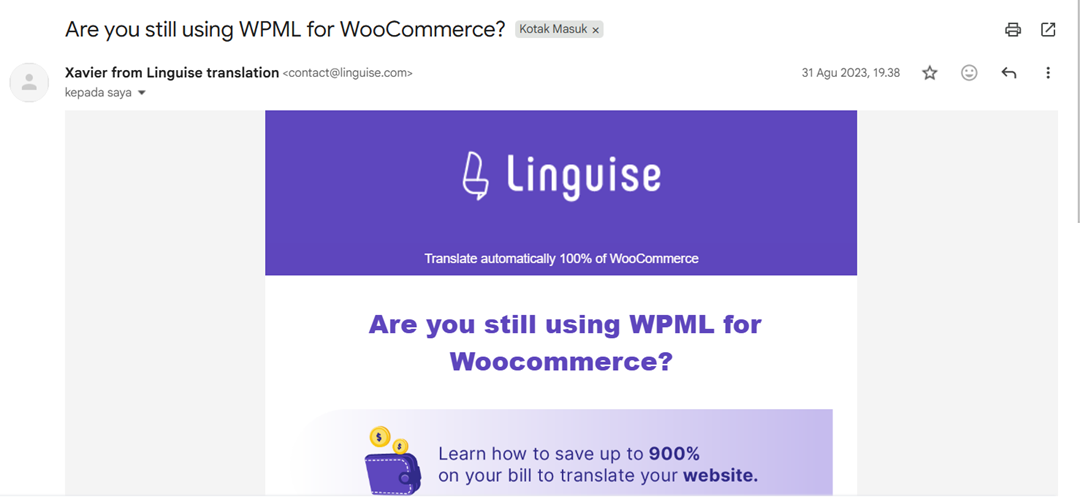
Below is an example of a win-back email designed to reconnect with previous users and encourage them to consider the product again.
Localizing email flows for multiple languages
Localizing email flows is more than just translating words. When the language, tone, and timing match the customer’s expectations, emails feel less like automated notifications and more like helpful reminders from a brand they trust.
Translating subject lines and CTAs
Subject lines and call-to-action buttons are the first things customers notice. Imagine a customer from Spain receiving a cart reminder with the subject line “Complete your purchase now.” If it arrives in English, they might ignore it because it doesn’t immediately feel relevant.
But if the subject line reads “Completa tu compra ahora,” the message feels clearer and more personal. The same applies to CTA buttons. A button that says “Buy Now” may feel less intuitive than “Comprar ahora” for Spanish customers. Small changes like this can significantly improve open and click-through rates.
Adapting tone and messaging
Different cultures respond to different communication styles. For example, customers in Germany may prefer a more direct and professional tone, while customers in Brazil might respond better to a friendly and conversational style.
Imagine sending the same win-back email to both markets. A very casual tone might feel unprofessional in Germany, while a rigid, formal message might feel cold in Brazil. Adjusting tone and messaging ensures that each email feels natural to the audience receiving it.
Localizing offers and timing
Promotions and timing don’t always work the same way in every country. For example, a weekend flash sale might perform well in the United States, but in some regions, peak shopping times may fall on different days.
Imagine sending a “Black Friday” promotion to a country where that event isn’t widely recognized. The offer may not feel relevant. Instead, using local shopping events or adjusting send times based on time zones and habits makes the email feel more timely and appealing.
Using dynamic language segmentation
Dynamic language segmentation allows you to automatically send emails in the customer’s preferred language. For example, if a visitor browses your website in Italian, your system can tag them as an Italian-language user.
Later, when they abandon a cart or subscribe to your newsletter, the system automatically sends the Italian version of the email. This process happens in the background, so you don’t have to manually create separate flows for each language.
Testing and optimizing per language
What works in one language may not work in another. For example, a subject line that performs well in English may sound too long or unclear when directly translated into French.
By testing different subject lines, CTAs, and send times for each language segment, you can discover what resonates best with each audience. Over time, this helps you build email flows that feel truly local, not just translated.
Keeping emails consistent with website translations

A multilingual experience doesn’t stop at the website. When customers move from an email to a product page, they expect the same language, wording, and offers they just saw. If the email and website feel disconnected, it can create confusion and reduce trust at the most critical moment of the buying journey.
Matching product names
Product names in emails should match exactly what customers see on the website. Consistent naming helps users recognize the product instantly and keeps the buying process smooth without second-guessing.
Imagine a customer from Italy receiving an email about “Scarpe sportive leggere.” When they click the link, the product page suddenly shows “Lightweight Running Shoes” in English. Even when it’s the same item, a mismatch can create hesitation and disrupt the purchasing process.
Aligning CTAs and tone
Call-to-action buttons and tone should stay consistent between email and landing pages. When the language style changes, the experience can feel disjointed and less professional.
Imagine a French customer receiving an email with the CTA “Découvrir l’offre.” After clicking, they land on a page with a “Buy Now” button in English. This sudden shift breaks the flow and makes the experience feel less localized.
Syncing promotions and prices
Promotions, currencies, and pricing should be consistent across emails and the website. Consistency here builds trust and prevents confusion during checkout.
Imagine receiving an email promising a 20% discount in Spanish, but when you open the product page, the price shows no discount or is in a different currency. This inconsistency can quickly lead to frustration and abandoned purchases.
Using the same translations
Using a single translation source for both emails and the website helps ensure consistent terminology. This ensures the brand voice and product naming stay uniform across all channels.
Imagine a product category translated as “Accesorios” on the website but appearing as “Complementos” in emails. While both are correct, the difference can make the brand feel inconsistent and less polished.
Automating updates
Automation helps keep email content aligned with website translations without manual edits. When updates are automatic, the customer always sees accurate, up-to-date information.
Imagine you update a product name or launch a new promotion on your website, but your automated emails still show the old wording. This mismatch can confuse customers, while automated updates keep everything synchronized.
Tools for multilingual email automation

Managing multilingual email flows manually can become complicated as your store grows. Every cart reminder, welcome message, and win-back email would need separate translations and updates. This often leads to inconsistent wording and extra work for marketing teams.
Automation tools help by connecting email flows with the customer’s language preference. Instead of creating multiple versions manually, the system can automatically send emails in the right language based on how the customer browses the website.
Some tools also keep translations synchronized across channels. When product names, promotions, or CTAs change on the website, the same updates can appear in email content without manual edits.
Solutions like Linguise translation support this process by providing automated translations that stay consistent across your site. When connected with your email flows, it helps ensure every message matches the customer’s language and creates a smoother global experience.
Conclusion
Multilingual email flows help turn international visitors into loyal customers by keeping every message clear, relevant, and consistent with the language they use on your website. From cart abandonment reminders to welcome and win-back campaigns, localized emails create a smoother journey that builds trust and increases conversions across different markets.
To keep your email flows aligned with your website translations without extra manual work, consider using an automated solution like Linguise translation. It helps maintain consistent language across your site and emails, so you can deliver a seamless experience and scale your store globally with confidence, register on Linguise and start localizing your email flows.