

Formatting numbers, dates, addresses, phone numbers, and postcodes correctly is essential when creating a multilingual website for international audiences. What looks familiar in one country can be confusing or even incorrect in another.
In this guide, we’ll explore the key formatting differences across countries, with practical examples and reference tables you can use when localizing your website. Keep reading to learn how to format numbers, dates, addresses, phone numbers, and postcodes for different markets.
Key points: Global formatting guide for numbers, dates & addresses
Localize number & currency formats
Adapt decimal and thousands separators, currency symbols, decimal precision, and spacing to match the conventions users expect in each target market.
Adapt dates, phones & postcodes
Use local date orders, phone number formats, country codes, and postcode structures to make information easier to understand and prevent form input errors.
Customize address & name fields
Adjust address field order, administrative fields, name labels, and validation rules to reflect local conventions and create a smoother multilingual user experience.
Why formatting matter for multilingual websites?

Formatting is more than a visual detail on a multilingual website. When numbers, dates, addresses, or contact information follow unfamiliar conventions, users may misread the information, enter their details incorrectly, or lose confidence in the website.
- Prevents confusion: Different formatting conventions can change how users interpret information. For example, 03/04/2026 can mean March 4 in the US but April 3 in many European markets.
- Reduces input errors: Forms that use the wrong address, phone number, or postcode format can make it difficult for users to enter valid information or cause their submissions to be rejected.
- Improves user experience: Familiar local formats make information easier to scan and understand, creating a more natural experience for users in each market.
- Builds trust and credibility: Correct local formatting shows your website understands its target audience and has been properly adapted to their market, not simply translated.
- Supports smoother transactions: Accurate formatting is especially important for ecommerce, payments, shipping, and other processes where incorrect numbers or contact details can lead to failed transactions or delivery issues.
Number and decimal formatting by country

Number formatting can vary significantly between countries, particularly in how decimal values and large numbers are written. A multilingual website should follow the conventions users already recognize in their market to make prices, measurements, statistics, and other numerical information easier to understand.
Decimal and thousands separators
One of the most common differences is how decimal and thousands separators are used. While English-speaking markets such as the US typically use a period for decimals and a comma to separate thousands, many European countries use these symbols in the opposite way. France commonly uses a space to separate thousands and a comma for decimals. For example, the same value can appear as:
- US: 1,234.56 — comma for thousands, period for decimals
- Germany: 1.234,56 — period for thousands, comma for decimals
- France: 1 234,56 — space for thousands, comma for decimals
- Indonesia: 1.234,56 — period for thousands, comma for decimals
These differences matter when displaying information such as product prices, measurements, or statistics. For example, a product price of €14.90 may be displayed as 35,99 €, 14,90 €, etc in European markets that use a comma as the decimal separator.
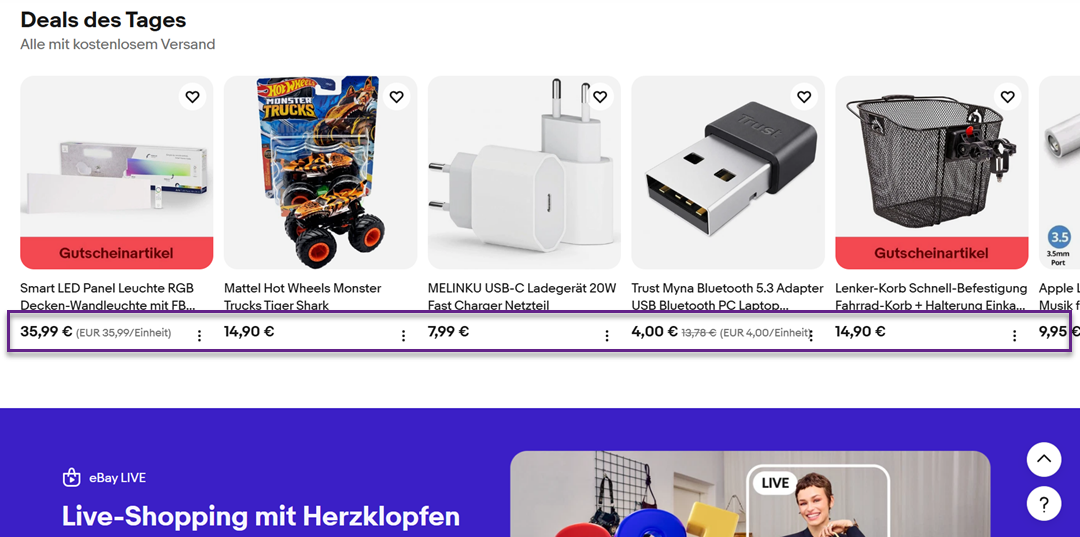
A website showing 1.234 may be interpreted as one thousand two hundred thirty-four in one market but as one point two three four in another.
Number formats across different countries
Number conventions are closely connected to local language and regional standards. Even when the numerical value is identical, the way it is written can differ by market. Localized number formatting helps users recognize prices, quantities, measurements, statistics, and other numerical information more naturally.
When localizing a multilingual website, apply the appropriate number format consistently across all user-facing content. This includes product prices, forms, dashboards, search and filter values, reports, and other areas where numbers appear or are entered. Consistent formatting also helps users avoid misinterpreting values, especially when decimal and thousands separators have different meanings across markets.
Rather than applying one global number format to every language, use formatting conventions that match the target market. This small localization detail can make numerical information easier to scan, understand, and use as users expect.
Currency and financial number formatting
Currency formatting involves more than simply translating a currency name. The position of the currency symbol or code, decimal places, and number separators can also change by market. These details matter especially for ecommerce websites, where users need to understand prices quickly and accurately.
When localizing prices, consider the conventions users expect in the target market, including the currency symbol, decimal precision, spacing, and separator style. This helps prevent misread prices and creates a more consistent shopping experience.
Date, phone, and postcode formatting

Dates, phone numbers, and postcodes also follow different conventions across international markets. Adapting these formats helps users understand important information at a glance and makes forms, checkout pages, and contact details easier to use.
Common date formats by country
Date formats can vary considerably between countries, especially in the order of the day, month, and year. A date such as 03/04/2026 can therefore have different meanings depending on the user’s market. Using a familiar local format reduces ambiguity and helps users interpret dates correctly.
These conventions matter most for booking dates, delivery estimates, event schedules, and deadlines. For example, a date such as 04/03/2026 could be interpreted as April 3 by a US audience but March 4 by a UK audience if the format isn’t clearly localized.
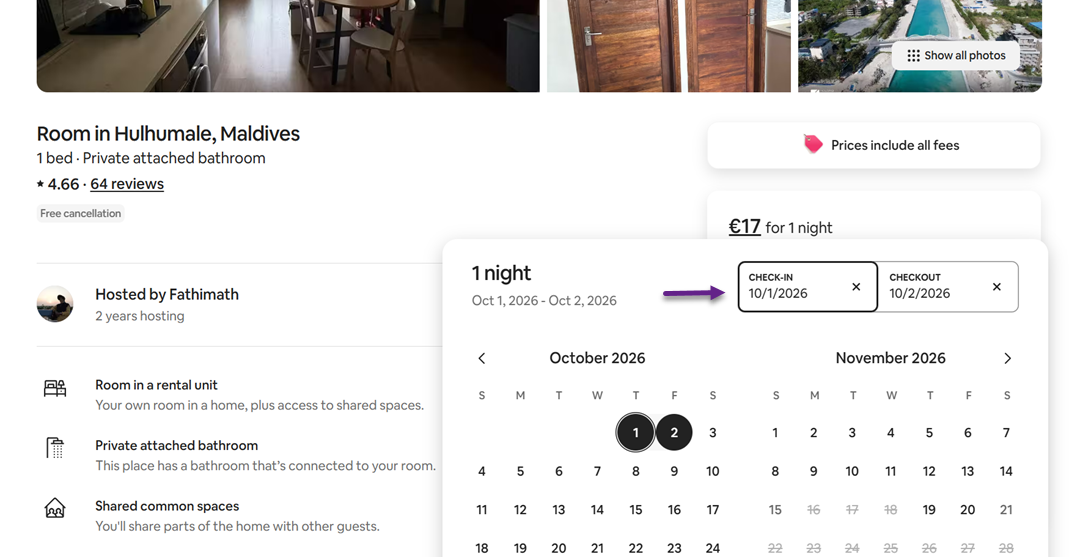
These differences should also be reflected in date pickers and other date-selection interfaces. For example, in European markets that use the day/month/year format, October 1, 2026 is displayed as 1/10/2026, with the day shown before the month.
International and local phone number formats
Phone numbers can be displayed in either international or local format. The international format includes the country code, making the number identifiable across borders, while the local format generally follows the conventions users are accustomed to within their own country.
When designing contact forms, consider whether users are entering a domestic or international number. For international forms, include a country selector and accept country codes to make input easier and reduce formatting errors. Avoid assuming that every market uses the same number of digits or grouping pattern.
Postcode and ZIP code formatting
Postcodes also differ in length and structure by country. Some markets use only numbers, while others combine letters and numbers or use spaces to separate parts of the code.
These differences should be reflected in address and checkout forms. For example, a postcode field that accepts only numbers could prevent users in the UK or Canada from entering a valid postcode. Form validation should therefore account for each target market’s structure.
Address and name formatting by market

Address structures and name orders can vary just as much as number and date formats. What feels like a standard address or name format in one country may be unfamiliar in another, so multilingual websites should adapt these details to local conventions.
Address field order by country
Address component order differs between markets. While many Western countries typically start with the street address, other markets may organize addresses differently or use additional administrative fields such as prefecture or province.
For ecommerce checkout, shipping forms, and contact pages, using the expected field order makes it easier for users to enter their information correctly. It can also prevent unnecessary fields from appearing when they aren’t relevant to a particular market.
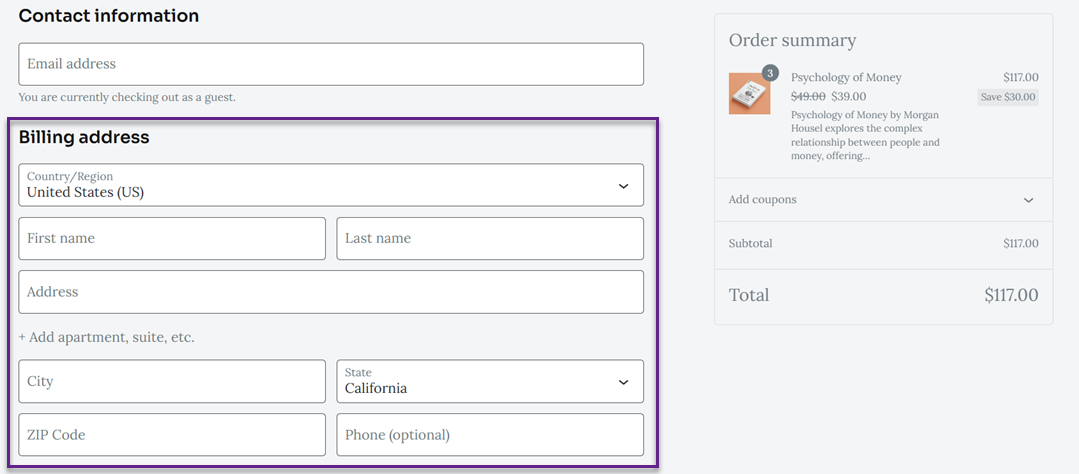
For example, a US checkout form typically places the street address before the city, state, and ZIP Code, as shown below.
Name order across different markets
Name order is another localization detail that is easy to overlook. Western markets commonly place the given name before the family name, while some East Asian markets traditionally place the family name first.
However, name conventions can vary by individual, context, and romanization. For forms and account profiles, clearly label fields such as Given name and Family name, rather than relying on a single generic “Name” field.
Localized address and name fields
Design forms around the information users in each market actually need to provide. Instead of using an identical address and name structure for every language, adapt the available fields and labels to local conventions. Consider the following when localizing forms:
- Use relevant address fields: Include fields such as state, province, prefecture, or district when they are commonly required in the target market.
- Adapt field order: Arrange street, city, administrative area, and postcode fields according to local expectations.
- Label name fields clearly: Use labels such as Given name and Family name to reduce ambiguity about name order.
- Support local formatting: Allow valid characters, spaces, hyphens, and other conventions used in local addresses and names.
- Avoid unnecessary restrictions: Don’t force every market into a fixed format designed for a single country’s address or naming system.
For example, a Japanese checkout form may commonly include fields for Postal code, Prefecture, City/Ward, and Street/Building, while a US form typically prioritizes Street address, City, State, and ZIP code. Adapting the form structure this way creates a smoother experience and reduces input errors for international users.
Managing these formatting differences across multiple markets can become time-consuming, especially when your website has several language versions. A multilingual solution such as Linguise can simplify website localization by automatically translating your content while letting you manage localized versions across languages and markets.
International formatting reference table

With so many differences between markets, a quick reference can make localization easier to manage. The tables below summarize common number, date, phone, postcode, address, and name formats across several major markets, making it easier to compare local conventions at a glance.
Numbers and dates by market
Market | Number Example | Decimal Separator | Thousands Separator | Date Example |
United States | 1,234.56 | . | , | 04/03/2026 |
United Kingdom | 1,234.56 | . | , | 03/04/2026 |
Germany | 1.234,56 | , | . | 03.04.2026 |
France | 1 234,56 | , | Space | 03/04/2026 |
Japan | 1,234.56 | . | , | 2026年04月03日 |
Indonesia | 1.234,56 | , | . | 03/04/2026 |
These examples show how the same numerical value can use different separators and how the same date can follow different day-month-year orders. Use the format that matches the target market’s conventions rather than applying a single global format.
Phone numbers and postcodes by market
Market | International Example | Local Phone | Postcode / ZIP |
United States | +1 212 555 0123 | (212) 555-0123 | 10001 |
United Kingdom | +44 20 7946 0123 | 020 7946 0123 | SW1A 1AA |
Germany | +49 30 12345678 | 030 12345678 | 10115 |
France | +33 1 23 45 67 89 | 01 23 45 67 89 | 75008 |
Japan | +81 3 1234 5678 | 03-1234-5678 | 100-0001 |
Indonesia | +62 21 1234 5678 | 021 1234 5678 | 10110 |
Phone number grouping and postcode structures vary significantly between countries. When building forms, ensure validation rules accommodate the expected number of digits, letters, spaces, and separators for each market.
Addresses and names by market
Market | Common Address Order | Name Order | Example |
United States | Street > City > State > ZIP Code > Country | Given > Family | John Smith |
United Kingdom | Street > City > Postcode > Country | Given > Family | John Smith |
Germany | Street > Postcode > City > Country | Given > Family | Anna Müller |
France | Street > Postcode > City > Country | Given > Family | Jean Martin |
Japan | Postcode > Prefecture > City/Ward > District/Street > Building | Family > Given | 山田 太郎 |
Indonesia | Street > City/Regency > Province > Postcode > Country | Given > Family | Naufal Pratama |
Address and name conventions can vary even within the same country, so treat these examples as common patterns rather than rigid rules. For multilingual forms, adapt field labels, order, and validation to each target market’s requirements.
Conclusion
Formatting numbers, dates, addresses, phone numbers, and postcodes correctly is essential for creating a multilingual website that feels natural and easy to use in every market. From decimal separators and date formats to address fields and name order, adapting these details to local conventions can reduce confusion, prevent input errors, and create a more trustworthy user experience.
The right translation solution can make managing these localization details easier. Linguise helps you create and manage multilingual websites while delivering localized content for your international audiences. Ready to make your website more accessible to users worldwide? Try Linguise and start building a better localized experience.