

Seasonal campaigns can significantly boost sales, but their success often depends on timing. Knowing how to localize your e-commerce calendar by market helps ensure that promotions align with the holidays, shopping events, and consumer behaviors that matter most in each region.
As your business expands into new markets, a single promotional calendar is rarely enough. Keep reading to learn how to build a market-specific calendar, prepare multilingual campaign assets, and launch seasonal promotions that resonate with local audiences.
Key points: Localizing seasonal e-commerce campaigns by market
Align with local shopping seasons
Seasonal shopping events vary by market, so aligning campaigns with local holidays and cultural moments helps increase relevance and conversions.
Research market-specific events
Understanding regional holidays, festivals, and shopping traditions helps brands create more relevant campaigns and avoid missing key sales opportunities.
Build a localized marketing calendar
A localized calendar helps brands plan multilingual campaigns efficiently while maintaining consistency across global markets.
Why e-commerce calendars need market localization

To connect with customers in multiple regions, businesses need to align their promotional calendars with local events, cultural expectations, and shopping behaviors.
- Shopping events vary by market – While Black Friday is popular in some countries, other regions may prioritize events such as Singles’ Day, Diwali, Eid, or local holiday sales.
- Consumer behavior differs across regions – Customers may shop at different times of the year depending on local traditions, weather patterns, and spending habits.
- Cultural relevance improves engagement – Campaigns that acknowledge local celebrations and customs are more likely to resonate with customers.
- Better timing leads to higher conversions – Launching promotions around the right local events can increase visibility, engagement, and sales opportunities.
- Localization helps avoid missed opportunities – A market-specific calendar ensures you can plan campaigns around important events that might otherwise be overlooked.
Building a market-specific e-commerce calendar

Creating a market-specific e-commerce calendar helps businesses plan campaigns around the events and shopping periods that matter most to local audiences. Instead of relying on a single global schedule, brands can identify regional opportunities, prepare content in advance, and deliver promotions when customers are most likely to engage and purchase.
Research local events
The first step is identifying the events that influence purchasing decisions in each target market. While global shopping events such as Black Friday and Cyber Monday may generate significant sales in some regions, other markets often have their own seasonal opportunities that drive consumer demand. Understanding these differences helps businesses plan campaigns around the moments when local customers are most likely to engage and make purchases.
Market/Region | Key Shipping Point | Typical Timing |
China | Singles’ Day (11.11) | November 11 |
China & East Asia | Lunar New Year | January–February |
United States | Black Friday & Cyber Monday | Late November |
Global Markets | Christmas & Holiday Season | December |
Global Markets | Valentine’s Day | February 14 |
Global Markets | Halloween | October 31 |
India | Diwali Season | October–November |
Muslim-majority countries | Ramadan & Eid al-Fitr | Varies each year |
United Kingdom | Boxing Day | December 26 |
Japan | Golden Week | Late April–Early May |
Mexico | El Buen Fin | Mid-November |
These events can serve as a starting point when building a localized e-commerce calendar. Some events, such as Singles’ Day and Boxing Day, occur on fixed dates every year, while others follow religious or cultural calendars and may shift annually. Understanding these seasonal opportunities helps businesses plan promotions around periods of increased consumer interest and spending.
However, major shopping events are only part of the picture. Businesses should also consider local festivals, back-to-school seasons, national holidays, and industry-specific occasions that influence purchasing behavior. The more comprehensive your research, the easier it becomes to identify valuable opportunities, prepare multilingual campaign assets in advance, and launch promotions at the right time for each market.
Map campaign dates
Once key events have been identified, the next step is mapping campaign dates for each market. This process involves determining when campaigns should be planned, translated, launched, and promoted throughout the customer journey.
Many businesses make the mistake of focusing only on the event itself. In reality, customers often begin researching products weeks before a major shopping occasion. A successful campaign calendar should include preparation periods, teaser promotions, launch dates, peak sales periods, and post-event follow-up activities.
For example, if you plan to run a Diwali promotion, you may need to publish localized landing pages several weeks in advance, launch email campaigns before the holiday begins, and continue remarketing efforts after the event ends. Mapping these milestones helps teams stay organized and ensures all localized assets are ready before demand increases.
Consider cultural differences
A campaign that performs well in one market may not have the same impact in another because cultural expectations, traditions, and shopping behaviors can vary significantly. Before adding seasonal events to your e-commerce calendar, businesses should research how local audiences celebrate holidays, respond to promotions, and make purchasing decisions throughout the year.
Cultural considerations can influence everything from campaign timing to promotional strategies. For example, customers may prioritize gift-giving during certain holidays, while others may focus on family gatherings, travel, or personal purchases. Understanding these behaviors early in the planning process helps businesses choose the right seasonal opportunities and avoid campaigns that feel irrelevant or out of touch with local audiences.
Businesses should also consider local customs, religious observances, and market-specific expectations when scheduling promotions. Taking these factors into account ensures that seasonal campaigns are planned around moments that genuinely matter to customers, increasing the likelihood of engagement and conversions.
Analyze buying trends
Before launching seasonal campaigns, businesses should analyze historical purchasing data to understand how customers behave during key shopping periods. Reviewing past performance can reveal when demand typically increases, which products generate the most sales, and how buying patterns differ across markets.
Look at metrics such as sales volume, conversion rates, average order value, and top-performing products from previous campaigns. These insights help businesses identify seasonal opportunities, forecast demand more accurately, and build campaign calendars around periods when customers are most likely to make purchases.
Historical trend analysis can also uncover market-specific preferences. For example, one region may respond well to early-bird promotions, while another may respond better as the event date approaches. Understanding these patterns before planning a campaign helps businesses make more informed decisions about timing, inventory, and marketing investments.
Preparing multilingual campaign assets

Once your seasonal calendar is in place, the next step is preparing the content and assets needed for each market. Planning translations and localization efforts ahead of time helps ensure campaigns launch smoothly, maintain consistent messaging, and provide a better experience for customers in every language.
Translate content early
One of the biggest mistakes businesses make is waiting until the last minute to translate seasonal campaign content. Promotions often involve multiple assets, including landing pages, emails, banners, social media posts, and product descriptions. Delaying translation can create bottlenecks and increase the risk of launching incomplete or inconsistent content across markets.
Instead, translation should be included in the campaign planning process from the start. Preparing multilingual content early gives teams enough time to review translations, make localization adjustments, and ensure every asset is ready before the campaign launch. This proactive approach helps reduce errors and creates a smoother experience for customers in every language.
Localize landing pages
Landing pages are often the primary destination for seasonal campaigns, making them one of the most important assets to localize. Simply translating the page text is not enough. Customers should feel that the page was created specifically for their market.
A localized landing page should include the appropriate language, currency, date format, payment methods, shipping information, and promotional details relevant to the target audience. For example, a Black Friday landing page for U.S. customers may highlight different offers and payment options than a Diwali campaign page designed for customers in India.
Localization should also extend to SEO elements such as page titles, meta descriptions, URLs, and headings. Optimizing these elements for local search behavior can improve visibility and help customers discover seasonal promotions through search engines. When users arrive on a page that feels familiar and relevant, they are more likely to engage with the content and complete a purchase.
Adapt visuals and messaging
Once cultural research is complete, the next step is adapting campaign assets for each market. While the overall promotion may remain the same, the visuals, language, and messaging should reflect local preferences and expectations.
For example, a campaign designed for Christmas shoppers may use different imagery, colors, and promotional themes than a campaign created for Diwali or Ramadan. Even when promoting the same products, businesses may need to adjust headlines, calls to action, and value propositions to better resonate with local audiences.
Effective multilingual marketing goes beyond translating words. By adapting visuals and messaging to fit each market, businesses can create campaigns that feel more relevant and authentic. This localized approach helps customers connect with the promotion more naturally, improving engagement and increasing conversion rates.
Review for cultural fit
Before launching a campaign, every localized asset should undergo a cultural review. This final step helps ensure that translations, visuals, offers, and messaging are appropriate for the target market and free from misunderstandings.
A cultural review can identify issues that may not be obvious during the translation process. For example, a phrase that sounds natural in one language may appear awkward or confusing when translated directly. Likewise, certain references, jokes, or promotional concepts may not resonate with local audiences.
Businesses should review content from the target customer’s perspective and verify that all campaign elements align with local expectations. Whenever possible, involving native speakers or regional experts can provide valuable feedback and help refine the campaign before launch. Taking the time to review content for cultural fit helps build trust, improve customer experience, and increase the effectiveness of seasonal promotions across multiple markets.
Rolling out campaigns by locale

Launching a seasonal campaign across multiple markets requires more than simply publishing translated content simultaneously. Each locale may have different languages, time zones, shopping behaviors, and campaign priorities. A well-planned rollout strategy helps ensure customers receive the right content at the right time while maintaining a smooth and consistent experience across markets.
Use translation rules
Managing multilingual campaigns manually can quickly become overwhelming, especially when multiple seasonal promotions are running simultaneously. Translation rules help automate the localization process by defining how content should be translated, displayed, and updated across different language versions of a website.
For example, businesses can create rules to automatically translate product pages, promotional banners, blog content, or campaign landing pages whenever new content is published. Platforms like Linguise offer several translation rule types, including text ignore, text replace, and others. This helps teams maintain consistent translations while controlling how specific content is localized across markets.
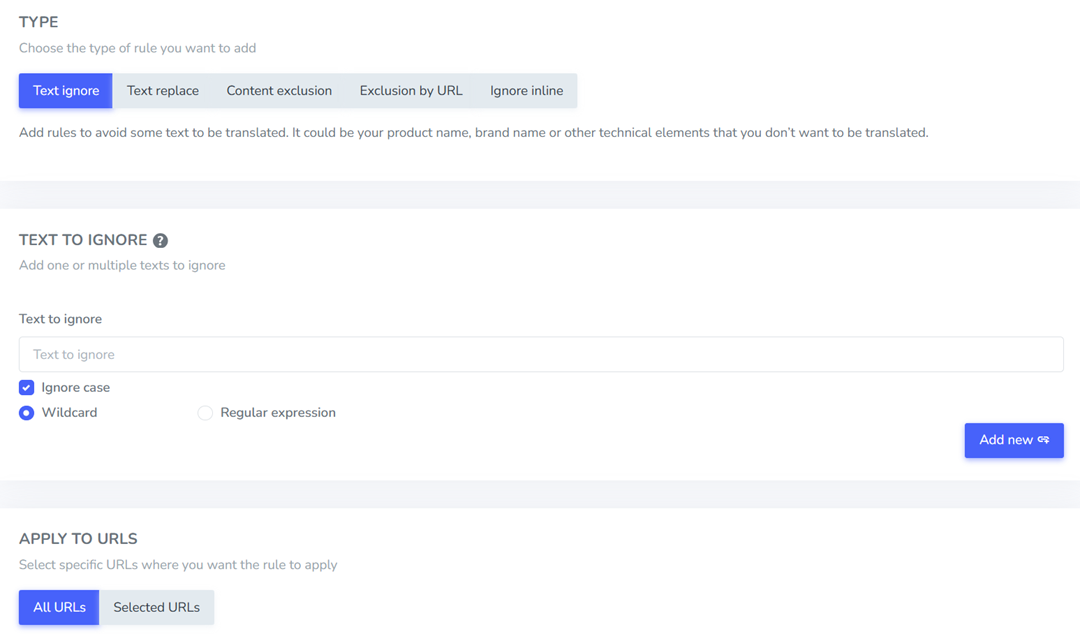
Instead of updating every language version individually, businesses can ensure that localized content is published faster while maintaining accuracy and consistency across markets.
Schedule by time zone
Timing plays a major role in the success of seasonal promotions. A campaign launched at the perfect time in one country may reach customers in another region while they are asleep or inactive online. Scheduling campaigns according to local time zones helps maximize visibility and engagement.
For example, if a Black Friday sale begins at midnight, customers in each target market should ideally see the promotion at midnight in their local time rather than at the same global launch time. The same principle applies to email marketing campaigns, push notifications, social media posts, and website banners.
Businesses should review the geographic distribution of their customers and plan launches accordingly. Aligning campaigns with local time zones ensures promotions appear when customers are most likely to browse products, open emails, and make purchasing decisions.
Prioritize key markets
Not every market contributes the same level of traffic, revenue, or growth potential. When resources are limited, businesses should prioritize the markets that are expected to generate the greatest impact during a seasonal campaign.
This prioritization can be based on factors such as sales performance, customer demand, website traffic, conversion rates, or strategic business goals. For example, an e-commerce brand may prioritize Diwali campaigns in India, Singles’ Day promotions in China, and Ramadan campaigns in Middle Eastern markets because these events significantly influence local purchasing behavior.
Prioritizing key markets also allows teams to allocate more time to localization, testing, and optimization where it matters most. Once high-priority markets are fully prepared, additional resources can be directed toward supporting smaller or emerging regions.
Ensure consistency
While campaigns should be adapted to local audiences, the overall brand experience should remain consistent across all markets. Customers should be able to recognize the same campaign theme, promotion, and brand identity regardless of the language they use.
Consistency applies to visual branding, promotional offers, messaging, tone of voice, and customer experience. For example, if a holiday campaign focuses on a specific discount or product collection, that core message should remain clear across all localized versions, even if the wording or imagery is adjusted for cultural relevance.
Creating localization guidelines can help teams maintain consistency throughout the rollout process. These guidelines may include approved terminology, translation preferences, visual standards, and campaign objectives. By balancing localization with brand consistency, businesses can deliver a cohesive customer experience while still meeting the expectations of each target market.
Optimizing campaign performance across markets

Launching a multilingual seasonal campaign is only part of the process. To achieve better results over time, businesses should continuously evaluate performance across markets and use those insights to improve future campaigns. Regular optimization helps teams identify what works, what needs adjustment, and where new opportunities may exist.
Monitor regional engagement
After launching a campaign, track how customers in different regions interact with your content. Metrics such as website traffic, click-through rates, email opens, bounce rates, and conversions can reveal how well a campaign resonates with local audiences.
Example of multilingual performance data in Linguise, showing page views by language and overall multilingual traffic trends.
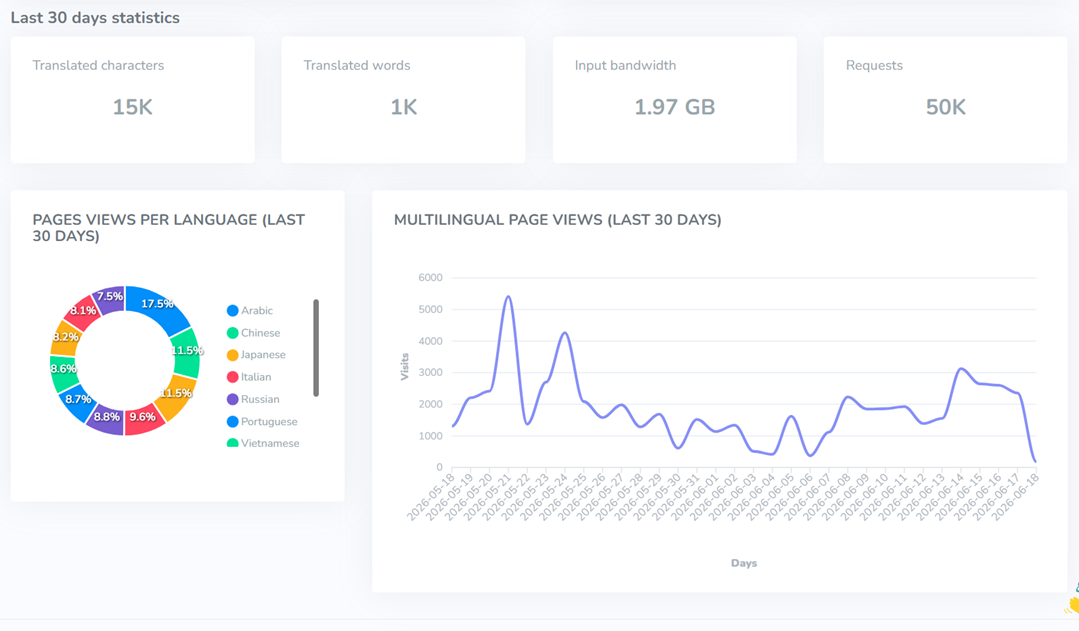
Pay attention to variations between markets. If one region shows higher engagement than others, analyze the content, offers, or timing that may have contributed to its success. These insights can help guide future localization and marketing decisions.
Compare market performance
After a campaign concludes, businesses should compare performance across markets to identify what worked best and where improvements are needed. Reviewing metrics such as revenue, conversion rates, average order value, and campaign ROI can reveal how customers in different regions responded to the promotion.
These insights help businesses refine future seasonal calendars, allocate budgets more effectively, and prioritize high-performing markets. Over time, comparing market performance supports a more data-driven localization strategy and stronger multilingual campaign results.
Refine campaign timing
Seasonal events may occur at the same time each year, but the most effective campaign timing can vary by market. Some customers begin shopping weeks before an event, while others wait until the final days of a promotion before making a purchase.
Review historical campaign data to determine when engagement and sales typically peak. These insights can help businesses adjust launch dates, promotional schedules, and marketing activities to better align with local buying behavior in future campaigns.
Improve localization workflows
As businesses expand into more markets, efficient localization becomes increasingly important. Reviewing your workflow after each campaign can help identify bottlenecks, repetitive tasks, and opportunities to improve efficiency through automation.
For example, businesses may streamline content approvals, automate translations for selected content types, or establish clearer localization guidelines for future campaigns. Over time, these improvements help teams launch multilingual campaigns faster while maintaining quality and consistency across markets.
Conclusion
Localizing e-commerce calendars by market allows businesses to align seasonal campaigns with the shopping events, cultural expectations, and buying behaviors that matter most to local audiences. By researching regional opportunities, preparing multilingual assets early, adapting content for each market, and coordinating localized rollouts, brands can create more relevant campaigns that drive higher engagement and conversions across multiple languages.
As your business expands internationally, managing multilingual seasonal campaigns can quickly become challenging. Try Linguise to automate website translations, apply translation rules, and manage multilingual content more efficiently. This allows you to launch localized campaigns faster, maintain consistency across markets, and deliver a seamless experience to customers worldwide.