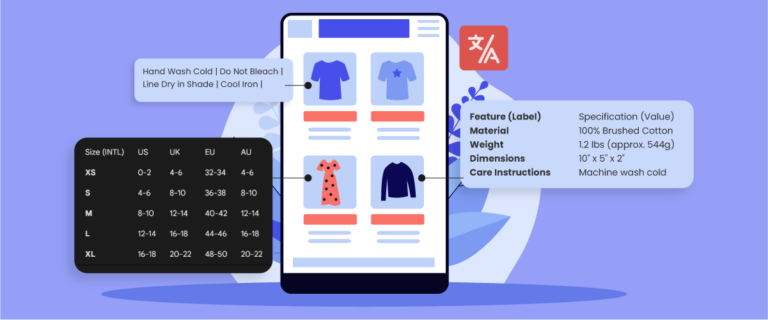

Managing translation QA at scale is no longer just about checking linguistic accuracy. As companies expand into dozens of languages, quality issues often appear as patterns, repeated terminology mistakes, inconsistent tone, or broken UI elements, rather than isolated errors. Without a structured approach, these systemic issues can quietly spread across locales and undermine trust in multilingual content.
This article explores how to design a scalable translation QA framework to help teams identify recurring issues across languages. Continue reading to learn how to detect systemic translation issues before they impact your global users.
Scalable translation QA framework

A scalable translation QA framework helps teams move from ad hoc quality checks to a structured process that works across multiple languages. Instead of relying on subjective judgments, this framework focuses on clear standards, repeatable steps, and alignment with real business needs, making translation QA more predictable as language coverage grows.
Defining quality standards
Quality standards define what “good translation” actually means for your product or content. This usually includes rules for terminology consistency, tone of voice, grammar, and formatting, which apply across all languages. With clear standards, reviewers can evaluate translations using the same criteria, reducing subjective decisions.
These standards should be documented in style guides, terminology lists, and basic QA checklists. When everyone follows the same reference, it becomes easier to spot recurring issues—such as repeated term misuse or inconsistent tone—across multiple languages.
Repeatable QA workflow
A repeatable QA workflow ensures that the same quality checks are applied every time new content is translated. This workflow might include automated checks, sampling reviews, and targeted manual validation for high-risk content. The goal is consistency, not perfection in every single string.
By standardizing the QA steps, teams can scale translation QA without increasing complexity. When issues are identified, they can be traced to a specific step in the workflow, making it easier to address root causes rather than correcting errors one by one.
A repeatable QA workflow also benefits from in-context review. With tools like Linguise’s front-end dashboard, teams can review and edit translations directly on the live page, making it easier to spot terminology issues, tone mismatches, or UI-related problems without switching tools or workflows.
Aligning QA with business goals
Translation QA should support business goals, not hinder them. For example, a marketing page may prioritize tone and brand voice, while a checkout flow focuses on clarity and UI accuracy. Aligning QA criteria with content purpose helps teams focus on what truly matters.
When QA is tied to business impact, teams can decide where to invest more effort and where lighter checks are enough. This alignment makes translation QA more efficient and ensures quality improvements that directly support user experience and conversion goals.
Translation QA sampling strategies

Translation QA sampling strategies help teams maintain quality without reviewing every single translation. By checking representative samples rather than the full content, teams can detect systemic issues early while keeping the QA process efficient and scalable.
Choosing the right sampling method
The right sampling method depends on content type, risk level, and update frequency. For example, UI strings and legal content usually require stricter sampling, while blog articles or support content can use lighter checks. The key is selecting samples that are most likely to reveal recurring problems.
Effective sampling focuses on variety rather than volume. By reviewing content from different pages, features, or translation batches, QA teams can spot patterns such as repeated terminology errors or consistent tone issues across languages.
Prioritizing high-impact languages
Not all languages carry the same business impact. Languages with high traffic, strong revenue potential, or strategic importance should receive more frequent, deeper QA sampling. This approach aligns closely with the idea of identifying high-impact languages for global expansion, ensuring that quality issues do not affect the most valuable user segments.
Lower-priority languages can still be monitored through lighter sampling. This balanced strategy allows teams to allocate QA resources wisely while maintaining acceptable quality across all supported locales.
Scaling QA without full reviews
Full reviews become impractical as the number of languages grows. Instead, scalable QA focuses on detecting trends rather than fixing every error individually. If similar issues appear in samples, it signals a systemic problem that needs upstream fixes.
By acting on patterns—such as adjusting terminology rules or improving prompts—teams can improve translation quality at scale. This approach keeps QA manageable while maintaining confidence in large-scale translation deployments.
In practice, this approach works best when supported by a translation solution that centralizes language management and reduces manual overhead. Tools like Linguise help teams apply consistent translation rules and maintain quality signals across languages without relying on full reviews.
Detecting terminology and style inconsistencies

Terminology and style inconsistencies are some of the most common systemic issues in large-scale translation. These problems often recur across languages and content types, making them effective indicators of deeper quality issues in the translation process.
Identifying terminology errors
Terminology errors happen when the same concept is translated differently across content or languages. This usually occurs when translators do not follow a shared glossary or when terminology rules are unclear. Over time, these inconsistencies can confuse users and weaken brand credibility, especially on large, multilingual websites that rely on consistent messaging.
By reviewing samples and checking repeated terms, QA teams can quickly spot patterns of misuse. Once identified, fixing the terminology source, such as by improving translation memory and terminology management, helps prevent the same errors from spreading to future translations.
Monitoring style and tone drift
Style and tone drift occur when translations slowly move away from the intended brand voice. This can happen as more translators or automated systems contribute content over time, especially across different languages and markets.
QA sampling helps detect these shifts by comparing new translations against style guidelines. When drift appears consistently, it signals the need to reinforce style rules or adjust translation settings to restore consistency.
Comparing patterns across languages
Looking at issues in a single language often hides the bigger picture. When the same types of errors appear across multiple languages, it indicates a systemic problem rather than isolated mistakes.
By comparing QA findings across locales, teams can identify common patterns and address them at the process level. This cross-language view makes translation QA more efficient and impactful at scale.
UI and UX issues in multilingual content

UI and UX issues often appear only after content is translated into multiple languages. Differences in text length, reading direction, and character sets can break layouts and reduce usability, making UI-focused QA a critical part of translation at scale.
Detecting layout and text overflow issues
Text expansion is one of the most common causes of layout problems in multilingual content. Some languages require more space than others, which can lead to truncated text, overlapping elements, or broken buttons if the UI is not flexible.
QA teams can detect these issues by reviewing translated screens and testing edge cases, such as long words or sentences. Early detection helps teams address layout constraints before issues affect real users.
Testing multilingual UI
Multilingual UI testing ensures that translated website content works properly within the interface. This includes checking labels, forms, navigation menus, and error messages across different languages and devices.
By testing UI elements in multiple locales, teams can verify that translations remain readable and functional. This process also helps identify issues that automated checks may miss, such as unclear phrasing or awkward line breaks.
Preventing UX breakage across locales
Preventing UX breakage requires combining translation QA with design and development practices. Flexible layouts, responsive components, and proper text handling reduce the risk of issues when new languages are added.
When QA findings are shared with design and engineering teams, systemic UX issues can be fixed at the source. This proactive approach makes multilingual experiences more reliable as language coverage expands.
Conclusion
Translation QA at scale is about identifying patterns, not chasing individual errors. By using a scalable QA framework, smart sampling strategies, and cross-language analysis, teams can detect systemic issues early, before they affect user experience or business performance. This approach makes translation quality measurable, repeatable, and manageable even as the number of supported languages continues to grow.
To support this process, using a translation solution with built-in controls and automation is essential. Linguise helps teams manage multilingual content efficiently while maintaining consistent terminology, style, and UI integrity across languages. Start registering Linguise that can support your translation QA at scale and make global expansion safer and more controllable.