

Multilingual websites for hotels and tour operators help international guests find travel information, understand available services, and complete bookings in their preferred language. Beyond translating website pages, travel businesses need to adapt room descriptions, tour details, booking processes, payment information, and reviews to meet different market expectations.
Providing a consistent multilingual experience throughout the guest journey can make travel information easier to understand and booking decisions more straightforward. This article explores why multilingual websites matter and how to manage travel content, booking flows, guest information, and reviews across languages.
Key points: Optimizing hotel and tour websites for global guests
Localize travel content
Adapt hotel descriptions, tour packages, destination guides, and local information with accurate translations so international guests can easily understand available services and attractions.
Simplify multilingual bookings
Localize booking processes, currency displays, payment details, and confirmation emails to help international guests understand reservation details and complete bookings more confidently.
Improve guest communication
Provide multilingual guest information, chatbot assistance, and translated reviews to create a smoother travel experience.
Why multilingual websites matter for hotels and tour operators

Multilingual websites help hotels and tour operators reach international guests by making travel information, services, and booking options easier to understand. They also help businesses build trust and provide a more convenient experience for guests from different language backgrounds. Here are some key benefits:
- Reach more international guests. Offering content in multiple languages lets hotels and tour operators connect with travelers who may not feel comfortable browsing or booking in another language.
- Make travel information easier to understand. Guests can explore room options, tour packages, amenities, and travel requirements without struggling with unfamiliar terms or language barriers.
- Improve the booking experience. Providing a booking process in the guest’s preferred language helps them understand prices, payment details, and cancellation policies before confirming a reservation.
- Build trust with potential guests. Clear and consistent information across languages helps businesses appear more accessible and reliable, especially when guests are making travel arrangements from another country.
- Support a better guest experience. Multilingual information before, during, and after a trip helps guests understand check-in instructions, itineraries, pick-up details, and other important arrangements.
Creating multilingual travel content

Creating multilingual travel content means adapting descriptions and information so international guests can clearly understand hotel services, tour packages, and what to expect during their trip. This requires accurate translations and consistent travel terminology across languages.
Room types and hotel amenities
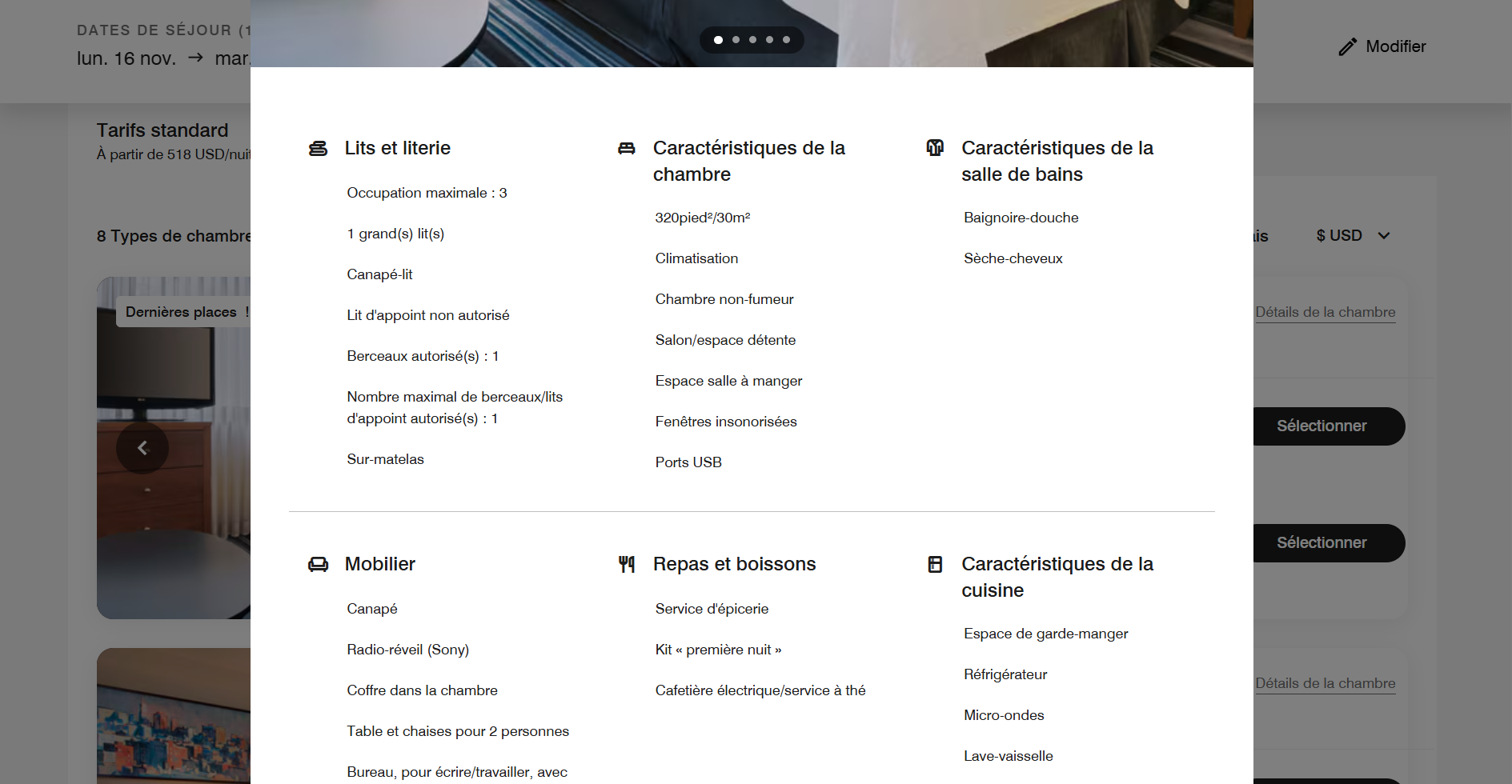
Hotel room descriptions should use accurate terms so international guests can understand the accommodation they are booking. Pay attention to room configurations, bed types, and meal plans, as these terms can have different meanings depending on the language. Some common terms that require consistent translation include:
- Room types: single room, double room, twin room, and suite.
- Bed types: double bed, twin beds, and king-size bed.
- Meal plans: bed and breakfast, half board, and full board.
- Amenities: complimentary toiletries, in-room safe, airport shuttle, and accessible facilities.
For example, here are the room and amenity details in French.
Tour descriptions and inclusions
Tour descriptions should clearly explain the activities, destinations, and services included in each package. When translating itineraries, preserve important details such as activity durations, transportation arrangements, departure times, and destination names. Make sure inclusions and exclusions are clearly separated. Common details to include are:
- Inclusions: transportation, tour guides, entrance tickets, meals, and equipment.
- Exclusions: personal expenses, tips, travel insurance, and optional activities.
- Tour details: departure times, activity durations, meeting points, and destinations.
For example, a snorkeling tour may include boat transfers, snorkeling equipment, and lunch but exclude hotel pick-up and personal expenses. These details should remain clear in every language to prevent guests from misunderstanding what they will receive.
Destination guides and local attractions
Destination guides help international guests explore the area around a hotel and discover activities during their stay. Hotels should provide multilingual information about nearby attractions, local culture, transportation options, and recommended places to visit. This allows guests to plan their trips more easily without having to search for or translate local information themselves.
When translating destination guides, ensure place names, directions, opening hours, and transportation details remain accurate. Local attractions and cultural experiences may also require brief explanations so visitors from different backgrounds can understand their significance. Some useful information to include:
- Nearby attractions and popular landmarks.
- Local restaurants, markets, and shopping areas.
- Cultural sites, traditions, and local experiences.
- Public transportation options and directions.
- Recommended activities and places to visit.
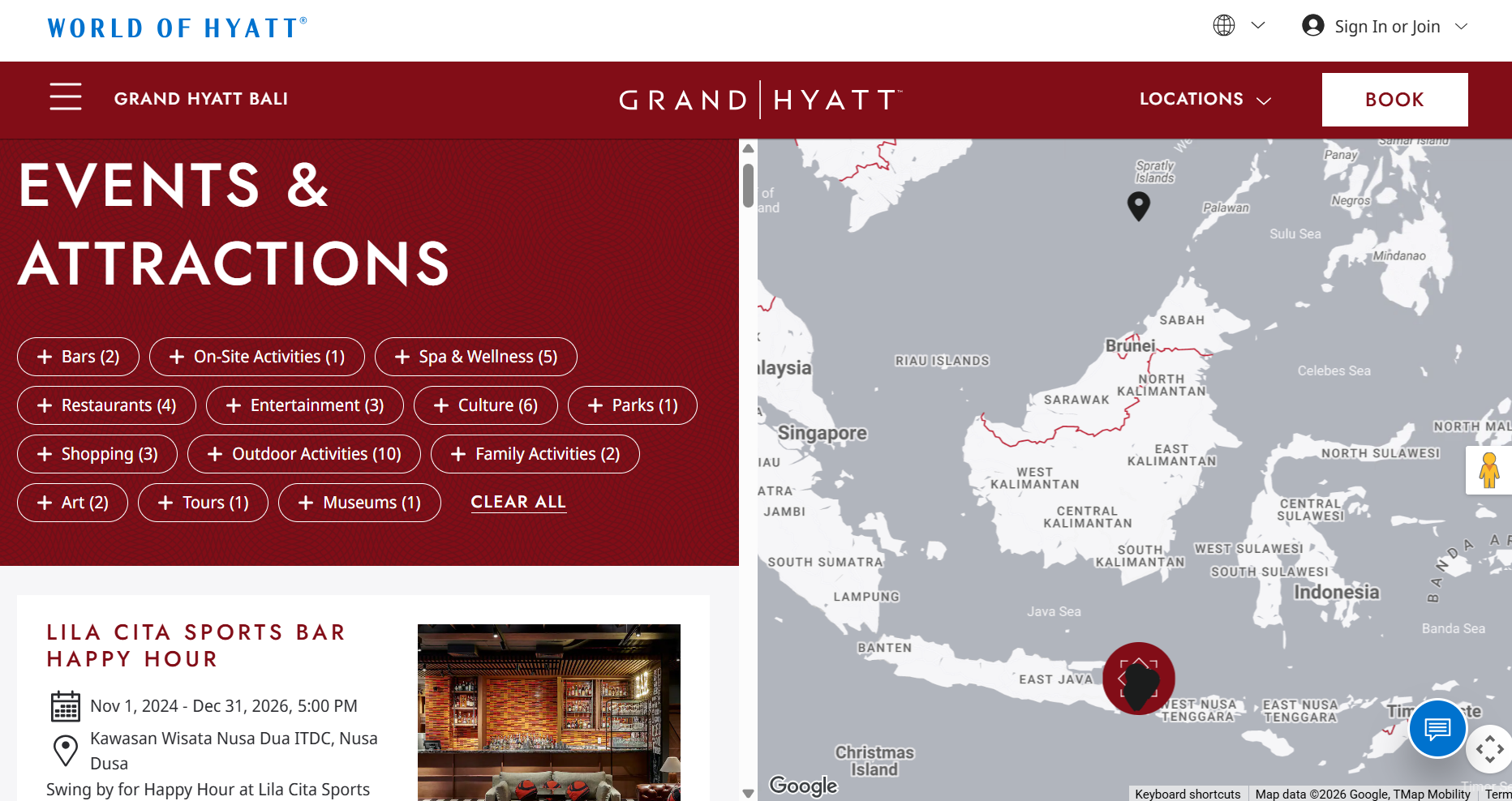
For example, a hotel in Bali recommends nearby events and attractions you can visit. This helps international guests recognize destinations and understand what they can experience there.
Travel-specific terms and translations
Travel content often includes specialized terms that don’t have direct equivalents in other languages. Instead of translating them word for word, hotels and tour operators should consider their context and use terminology that international guests can easily understand. Some examples of travel-specific terms include:
- Accommodation: all-inclusive, half board, and connecting rooms.
- Transportation: airport transfer, shuttle service, and round-trip transfer.
- Activities: guided tour, snorkeling, and sightseeing.
- Local experiences: cultural workshop, traditional cuisine, and local attractions.
For example, all-inclusive may refer to a package covering meals, drinks, and selected activities. However, the exact benefits vary by hotel. Therefore, the translated description should clarify what is included rather than relying on the term alone. Local terms, such as batik-making workshop, can also retain their original names with a short explanation for international visitors.
To simplify travel content management across multiple languages, you can use Linguise AI-powered website translation. This allows businesses to make their travel content available in multiple languages. You can also review and edit translations to ensure travel-specific terms and service details remain accurate.
Optimizing the booking experience

A multilingual booking experience allows international guests to complete reservations confidently in their preferred language. Hotels and tour operators should ensure that booking engines, payment details, confirmation emails, and cancellation policies remain clear and consistent across all language versions.
Booking engine language settings
A booking engine should follow the language visitors select on the main website. When guests switch languages, the booking process should ideally maintain the same language across room or tour selection, guest details, payment, and reservation confirmation.
However, some third-party booking engines may display a different language from the main website. To avoid confusion, check whether the booking engine supports multiple languages and whether language preferences carry over automatically. Key elements to check include:
- Language consistency between the website and booking engine.
- Room and tour descriptions in the selected language.
- Guest details and payment form labels.
- Error messages and booking instructions.
- Language settings throughout the checkout process.
For example, if a guest browses a hotel website in French but the booking engine switches to English, they may struggle to understand room conditions or payment instructions. Keeping the entire booking flow in French makes the process more straightforward.
Currency display and payment
Hotels and tour operators should adapt currency displays and payment information to the visitor’s selected language and market. This makes prices easier to understand and gives international guests a more familiar booking experience.
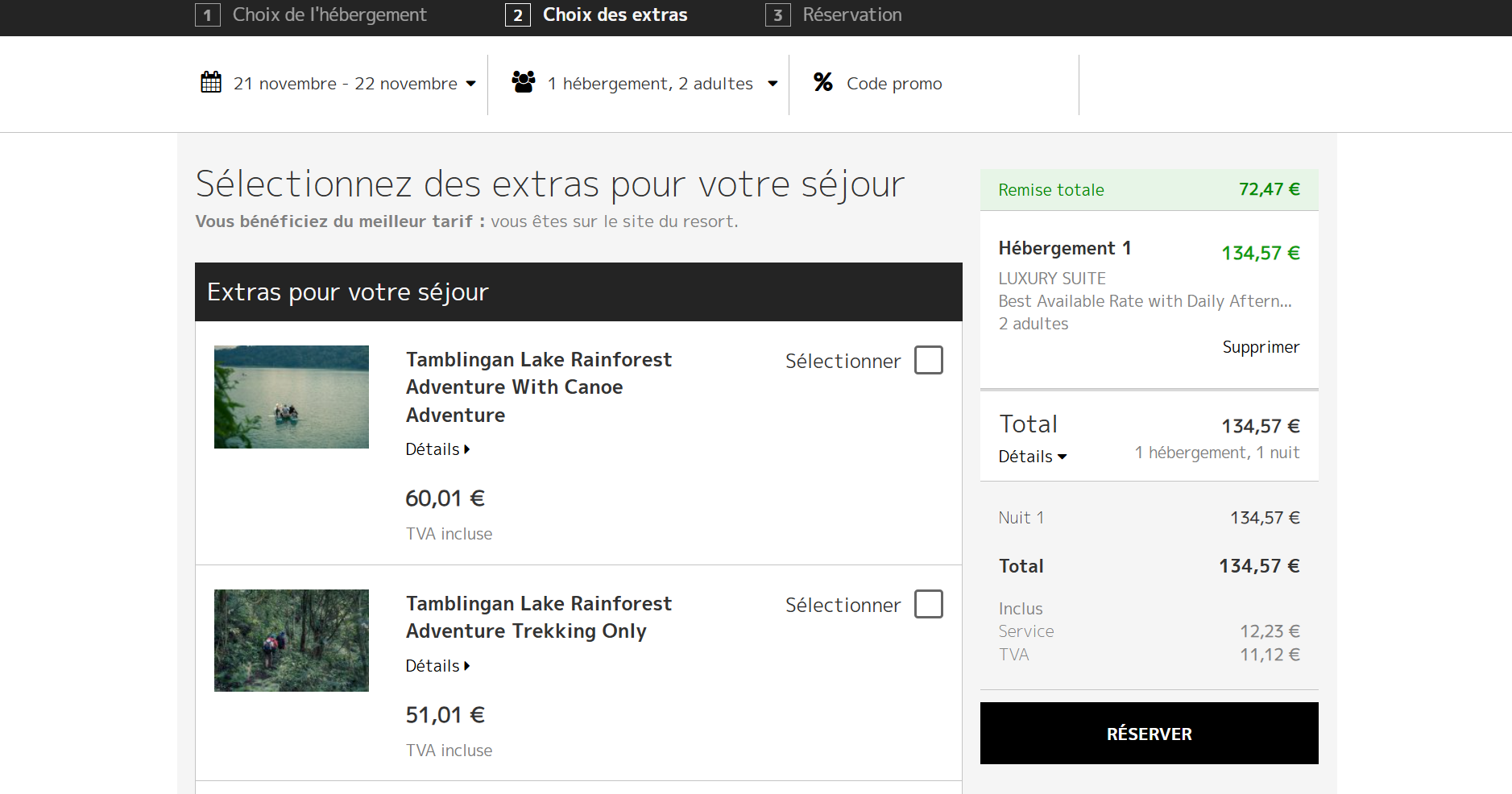
For example, when a guest selects French on a hotel booking page, the interface can display booking details in French and show room rates in euros (EUR). The same approach should apply to additional services offered during booking, such as hiking activities, yoga sessions, spa treatments, or airport transfers. Their descriptions and prices should follow the selected language and currency so guests can understand the available options and extra costs before confirming their reservation.
When localizing currency information, pay attention to:
- Displayed currency and currency code (USD, EUR, IDR).
- Room rates and additional service prices.
- Actual payment or billing currency.
- Exchange rate and conversion disclaimers.
- Additional bank or payment provider fees.
- Local payment methods available in each market.
Keep in mind that the displayed currency may differ from the currency used to process the final payment. Clearly explain any conversion rates, additional fees, or billing currency before checkout. This helps guests understand the total cost of their stay, including optional services, and avoid unexpected charges.
Booking emails and cancellations
Booking emails and cancellation policies should also be available in the guest’s selected language. After completing a reservation, guests should receive confirmation details they can easily understand, including their booking reference, travel dates, payment status, and accommodation or tour information.
Cancellation terms require particular attention because unclear translations can lead to disputes or unexpected charges. Important conditions should be reviewed by a human translator or qualified reviewer rather than relying entirely on machine translation. Make sure the following information is consistent across languages:
- Booking confirmation and reference number.
- Check-in dates, departure times, and reservation details.
- Payment status and outstanding balances.
- Cancellation deadlines and refund conditions.
- Modification policies and applicable fees.
- No-show policies and special conditions.
For example, a cancellation policy stating that guests can cancel free of charge up to 48 hours before arrival must preserve that exact deadline in every language. Avoid ambiguous wording that could make guests misunderstand when cancellation fees apply.
Localizing guest information

Localizing guest information means adapting travel instructions and essential details so international guests can understand what to expect before and during their stay or tour. Hotels and tour operators should provide clear, consistent information in multiple languages, from arrival instructions and check-in procedures to itineraries and guest communication.
Pre-arrival and check-in information
Pre-arrival information helps guests prepare for their stay before reaching the property. Hotels should translate essential details such as check-in times, required documents, directions, and available facilities. This helps international guests understand what to prepare and avoid confusion upon arrival. Important information to localize includes:
- Check-in and check-out times.
- Hotel address and directions.
- Required identification or travel documents.
- Parking and airport transfer arrangements.
- Early check-in and late check-out policies.
- House rules and facility information.
For example, if a hotel requires guests to present a passport at check-in, it should clearly state this requirement in every language. The same applies to self-check-in instructions, reception hours, and any additional documents guests may need.
Itineraries and pick-up details
Tour operators should provide translated itineraries that clearly explain the schedule, destinations, and transportation arrangements. Guests need to know where to go, when activities start, and how long each part of the tour will take. Keep time references, location names, and activity descriptions consistent across language versions.
Pick-up instructions also need special attention because unclear directions can cause guests to miss their scheduled tours. Make sure the following details are available in the guest’s preferred language:
- Pick-up time and meeting point.
- Hotel or designated pick-up locations.
- Driver or tour guide contact information.
- Transportation type and vehicle details.
- Activity schedules and estimated durations.
- What guests should bring or prepare.
For example, instead of simply stating “pick-up at the hotel lobby,” specify the scheduled time and whether guests should wait at the main entrance or a designated meeting area. These details are especially useful for travelers unfamiliar with the destination.
Multilingual guest communication
Hotels and tour operators should also provide multilingual communication channels to help guests ask questions and receive assistance throughout their journey. This includes communication before arrival, during the stay or tour, and after the experience. Consistent language support helps prevent misunderstandings when guests need important information or assistance. Common communication channels and materials to consider include:
- Booking confirmation and reminder emails.
- WhatsApp or other messaging services.
- Frequently asked questions (FAQs).
- Customer support and emergency contacts.
- On-site notices and service instructions.
- Post-stay or post-tour follow-up messages.
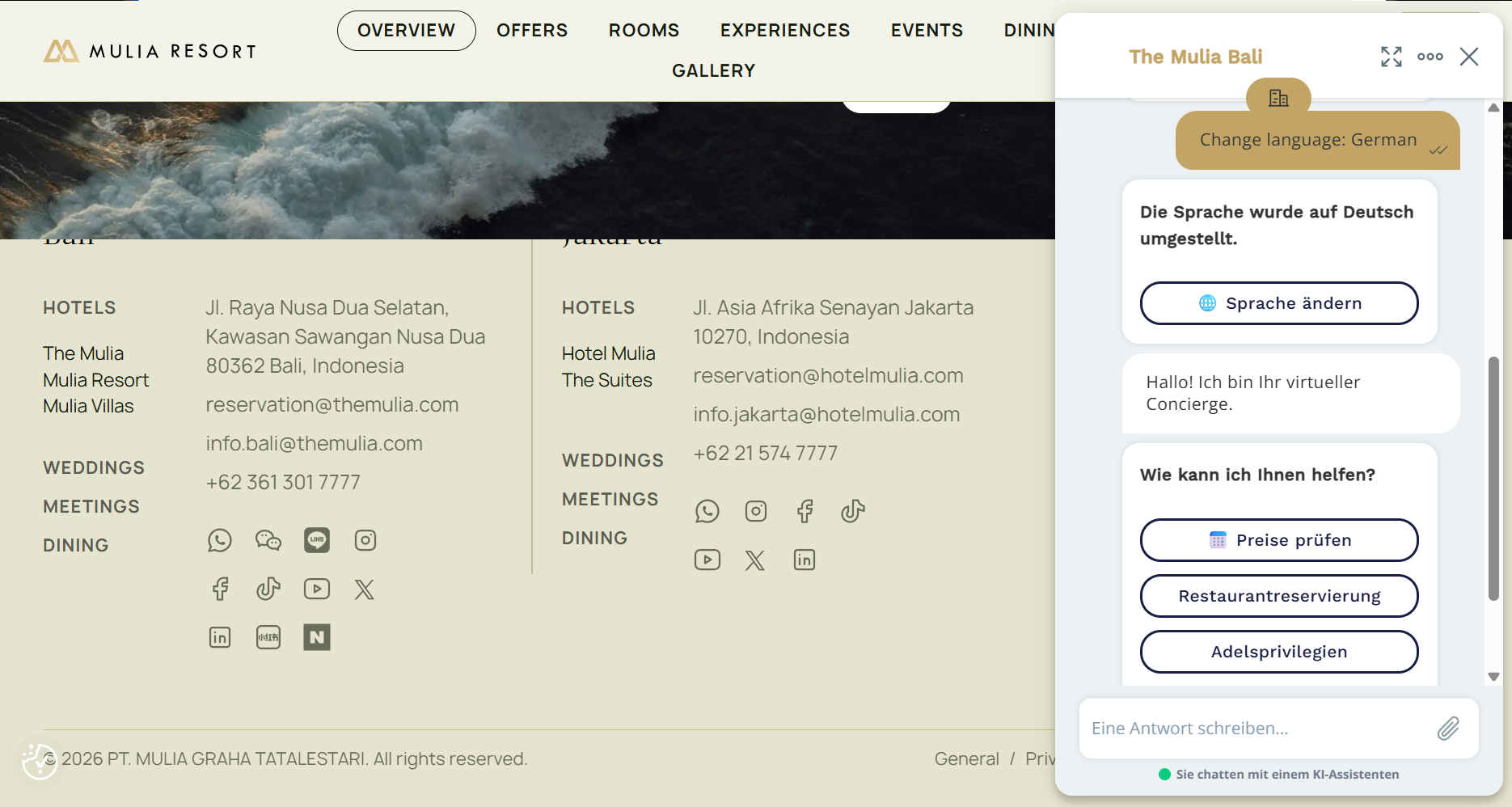
For example, a hotel website may provide an AI assistant chatbot that lets visitors switch languages based on their preferences. This makes it easier for international guests to ask questions, get information about hotel services, and receive assistance without language barriers.
Managing multilingual reviews

Managing multilingual reviews helps hotels and tour operators understand feedback from international guests and make reviews accessible to visitors across different markets. Businesses should consider where reviews come from, how they are translated, and how translated versions are displayed while preserving the original meaning and context.
Review sources across markets
Guest reviews can come from different platforms depending on the country, language, and travel habits of each market. Hotels and tour operators should identify the platforms their target audiences commonly use to read and share travel experiences. This helps businesses collect relevant feedback and understand how international guests perceive their services. Common review sources include:
- Google Reviews and Google Maps.
- TripAdvisor.
- Booking.com.
- Expedia.
- Local travel platforms and regional booking websites.
- Social media platforms.
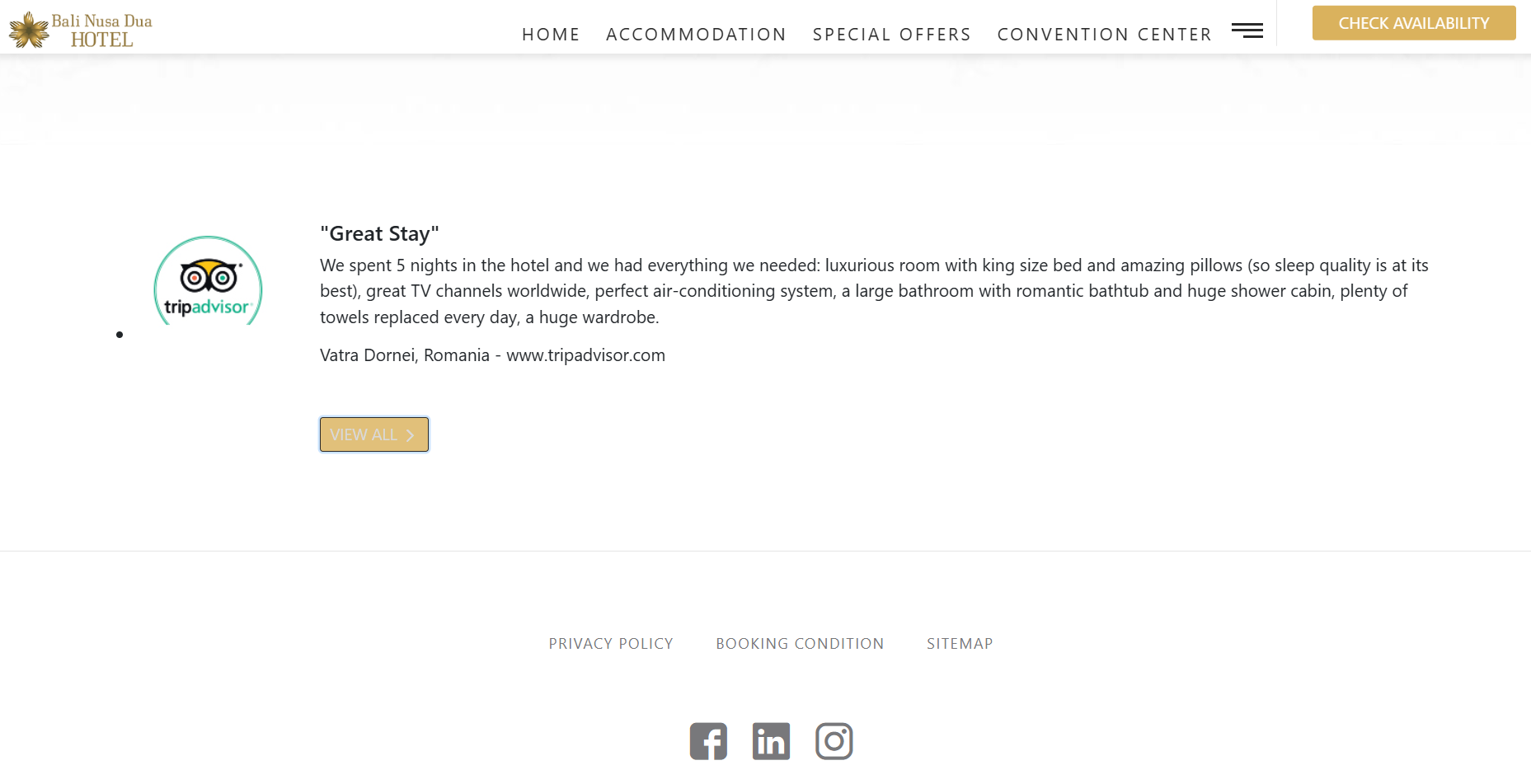
For example, a hotel website may display guest reviews from third-party platforms such as TripAdvisor, allowing visitors to read customer feedback without leaving the website. Hotels and tour operators can also monitor platforms like Google Reviews and local travel websites to understand feedback from different markets.
Translating guest reviews
Translating guest reviews allows potential customers to understand feedback written in other languages. Hotels and tour operators can translate reviews into the main languages supported by their websites, making customer experiences more accessible to international visitors.
However, reviews should retain their original meaning, tone, and context. Pay attention to expressions, local references, and travel-specific terms that may not translate directly. Important considerations include:
- Preserving the original meaning and sentiment.
- Keeping hotel, tour, and destination names accurate.
- Translating specific travel terms consistently.
- Avoiding changes that make negative feedback sound more positive.
- Retaining access to the original review.
For example, a guest may describe a hotel room as cozy in English. Translating this word as simply small in another language could change the impression of the review. The translation should communicate the intended meaning rather than follow the original wording too literally.
Translated review labels
When displaying translated guest reviews, hotels and tour operators should clearly indicate whether the content is original or machine-translated. This helps readers understand how the review was presented and prevents them from assuming that the translated version was written directly by the original reviewer. Useful labels include:
- Original review.
- Translated from English.
- Automatically translated.
- View original review.
For example, a French visitor browsing an English-language review on a hotel website may see a French translation labeled “Automatically translated from English.” Providing an option to view the original review also allows readers to compare both versions when needed.
Businesses should apply these labels consistently across all language versions and avoid presenting machine-translated reviews as original customer statements.
Conclusion
A well-structured multilingual website gives international guests a clearer experience, from exploring accommodation and tour options to completing bookings and reading reviews. Hotels and tour operators should prioritize accurate translations, consistent booking flows, clear guest information, and properly labeled translated reviews to reduce misunderstandings and build trust across different markets.
Managing website content in multiple languages can be easier with Linguise. Its AI-powered automatic translation helps translate website content, while its editing features let you refine translations as needed. Try Linguise to make your hotel or tour operator website more accessible to international guests.