

High-context and low-context cultures influence how people interpret website content and make purchasing decisions. A message that works well in one market may feel too direct, too vague, or less persuasive in another, which is why translating your website alone isn’t always enough.
To connect with audiences in different markets, businesses need to rewrite website copy to match local communication styles. This guide explains the differences between high-context and low-context cultures and shows how to adapt your headlines, CTAs, brand messaging, and trust signals with practical examples.
Key points: Difference between high-context and low-context cultures in website copy
Know the difference between high-context and low-context cultures
High-context cultures rely on relationships, context, and implied meaning, while low-context cultures prefer direct, explicit communication. Understanding these differences helps you create website copy that resonates with local audiences.
Rewrite, don't just translate
Website localization goes beyond language. Adapting headlines, CTAs, brand messaging, and trust signals helps your message match local communication styles while preserving your brand identity.
Adapt key website elements for each market
Focus on high-impact content such as landing page headlines, calls to action, and About Us pages. Small adjustments to tone and messaging can make your website feel more natural and persuasive across different markets.
Why translation alone isn't enough for global website copy

Translating your website makes your content accessible to a wider audience, but it doesn’t guarantee that your message will resonate. While translation focuses on language accuracy, effective website copy also depends on how people in different cultures interpret information, build trust, and make decisions.
A message that performs well in one market may have the opposite effect in another. For example, a direct CTA like “Buy Now” may appeal to audiences in low-context cultures that value clarity and efficiency. In high-context cultures, however, the same CTA can feel too forceful, as users often prefer a more relationship-oriented and subtle communication style before taking action.
That’s why successful global businesses go beyond translation and adapt their content to local communication preferences. By rewriting website copy instead of simply translating it, businesses can create messages that feel more natural, build stronger trust, and improve engagement and conversions across different markets.
Understanding high-context vs. low-context cultures

The concepts of high-context and low-context cultures were introduced by anthropologist Edward T. Hall to explain how people from different cultures communicate and interpret information. Understanding where your target audience falls on this spectrum can help you write website copy that matches their expectations, feels more natural, and communicates your message more effectively.
High-context cultures
In high-context cultures, much of the message is conveyed through context, relationships, and shared understanding rather than explicit words. People tend to value harmony, trust, and long-term relationships, so communication is often indirect and polite. Instead of immediately encouraging visitors to make a purchase, website copy usually focuses on building credibility and emotional connection first. Common characteristics of high-context website copy include:
- Indirect and relationship-oriented language.
- Soft, invitation-based calls to action.
- Storytelling that introduces the brand before the product.
- Greater emphasis on trust, reputation, and long-term value.
For example, instead of using a CTA like “Buy Now,” a Japanese e-commerce website might use “Discover Our Collection” or “Find the Perfect Choice for You.” Likewise, a luxury brand targeting customers in China may begin its homepage by highlighting its heritage, craftsmanship, and customer experience before presenting products. This approach feels more natural because visitors often expect businesses to establish trust before asking them to take action.
High-context communication is commonly associated with countries such as Japan, China, South Korea, many Arab countries, and parts of Latin America.
Low-context cultures
In low-context cultures, communication is expected to be clear, direct, and explicit. People generally prefer receiving all the necessary information upfront instead of relying on implied meaning or cultural context. Website visitors want to quickly understand what a product offers, why it is valuable, and what action they should take next.
Typical characteristics of low-context website copy include:
- Direct and concise messaging.
- Clear value propositions.
- Strong, action-oriented CTAs.
- Detailed information about features, pricing, and specifications.
For example, a SaaS company targeting customers in the United States might use a headline such as “Project Management Software That Saves Your Team 10 Hours Every Week”, followed by a “Start Free Trial” button and a list of product features. Similarly, an electronics retailer in Germany may prioritize technical specifications, pricing, warranty details, and shipping information so customers can make informed decisions without searching for additional context.
Low-context communication is commonly found in countries such as the United States, Germany, the Netherlands, the United Kingdom, Australia, and the Nordic countries.
High-context vs. low-context copywriting examples

Understanding the differences between high- and low-context cultures is only the first step. The examples below show how key elements of website copy can vary depending on your target audience’s communication style. By comparing high- and low-context approaches, you can see how the same message can be adapted to better align with local expectations while preserving its original intent.
Headline examples
Headlines are often the first thing visitors notice, making them one of the most important elements to localize. While the core message may stay the same, the wording often changes depending on whether the audience prefers direct or relationship-oriented communication.
The comparison below illustrates how high-context and low-context headlines communicate the same value in different ways.
High Context Example | Low Context Example |
Discover the Craftsmanship Behind Every Product | Premium Leather Bags with Free Worldwide Shipping |
Helping Businesses Grow Through Trusted Partnerships | CRM Software That Increases Sales Productivity |
What this example shows:
- High-context: Focuses on trust, quality, relationships, and long-term value.
- Low-context: Highlights clear benefits, measurable outcomes, and product information.
- Both versions communicate the same value proposition but use different communication styles to connect with their audiences.
CTA examples
Calls to action (CTAs) also vary across cultures because people don’t always respond to the same type of encouragement. A CTA that feels clear and persuasive in one market may seem too aggressive or overly direct in another. High-context audiences often prefer softer, relationship-oriented language that encourages exploration, while low-context audiences typically expect clear instructions that tell them exactly what action to take and what they’ll gain.
The examples below show how the same business objective can be communicated using different CTA styles. Although both versions encourage users to take the next step, each is adapted to better match the communication preferences of its target audience.
High Context Example | Low Context Example |
Learn More | Buy Now |
Discover Our Solutions Trusted Partnerships | Start Free Trial |
Explore the Collection | Download the Guide |
What this example shows:
- High-context: Uses softer language that encourages visitors to explore before making a decision.
- Low-context: Uses action-oriented wording with a clear and immediate outcome.
- Choosing the right CTA style helps create a more natural user experience for different markets.
Brand messaging examples
Brand messaging communicates not only what your business offers but also how you want customers to perceive your brand. Cultural preferences influence whether that message emphasizes relationships or product value. The comparison below highlights the difference in messaging style.
High Context Example | Low Context Example |
For over 30 years, we’ve been dedicated to crafting products that bring lasting value to every customer. | Durable products with a 5-year warranty and free worldwide shipping. |
What this example shows:
- High-context: Builds an emotional connection through heritage, values, and long-term commitment.
- Low-context: Leads with tangible product benefits and clear selling points.
- Both approaches reinforce the same brand identity while appealing to different communication preferences.
Trust signal examples
Trust is essential in every market, but different audiences look for different forms of reassurance before making a purchase. High-context and low-context cultures often rely on different trust signals when evaluating a business. The examples below illustrate this difference.
High Context Example | Low Context Example |
Trusted by families for three generations. | 4.9/5 from 12,000 verified customers |
Long-term client partnership stories | 30-day money-back guarantee and SSL-secured checkout |
What this example shows:
- High-context: Reinforces credibility through reputation, long-term relationships, and shared experiences.
- Low-context: Builds trust with measurable proof, customer reviews, guarantees, and transparent policies.
- Adapting trust signals to local expectations can increase confidence and improve conversion rates.
Adapting copy for different communication styles

Once you understand how high- and low-context cultures communicate, the next step is to apply those insights to your website copy. Instead of translating content word for word, adapt key elements such as headlines, CTAs, and brand messaging so they align with local communication styles while preserving your core message and business goals.
Adapting landing page headlines
Landing page headlines are often the first thing visitors see, making them one of the most important elements to adapt for different markets. Rather than simply translating a headline, rewrite it to match your target audience’s preferred way of receiving information. For high-context audiences, this may mean emphasizing relationships or long-term value, whereas low-context audiences generally expect a clear, direct value proposition.
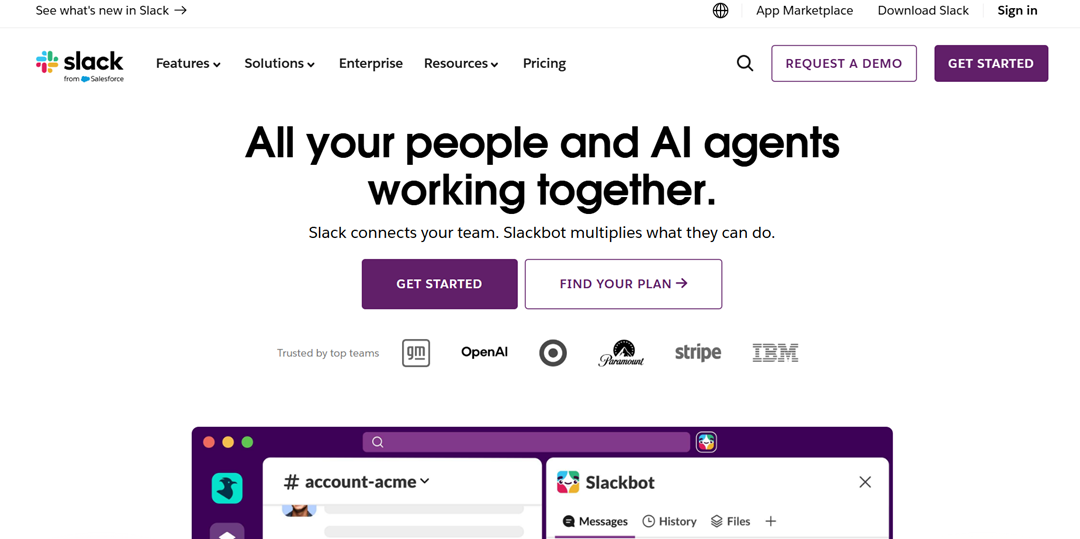
Original (Low-context) | Adapted for a High-context Market |
All your people and AI agents working together. | Bringing people and AI together to build stronger collaboration and lasting success. |
The original headline immediately explains what the platform offers, making it easy for visitors to understand its value. This direct, benefit-driven style reflects low-context communication, where clarity and efficiency are highly valued.
The adapted version shifts the focus toward collaboration and long-term success rather than simply describing the product’s function. The message becomes warmer and more relationship-oriented while preserving the original value proposition, making it better suited to high-context audiences.
Adapting calls to action (CTAs)
Calls to action (CTAs) should also be adapted to match how people prefer to make decisions. Instead of translating CTAs word-for-word, rewrite them in language that reflects local communication preferences. High-context audiences often respond better to invitations that encourage exploration, while low-context audiences typically prefer direct instructions with a clear next step.
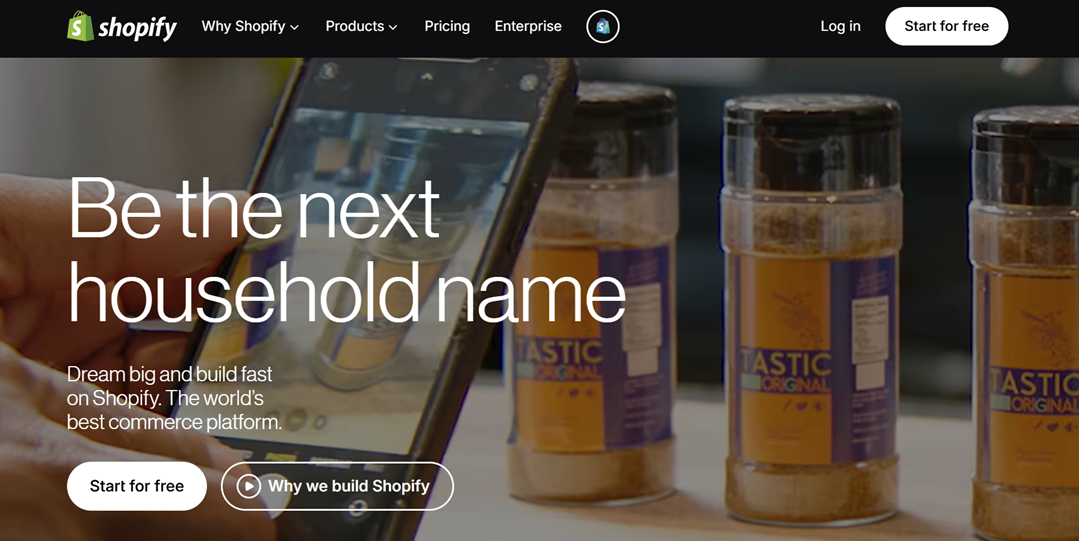
Original (Low-context) | Adapted for a High-context Market |
Start for free | Discover how Shopify can support your business |
The original CTA uses direct, action-oriented language that encourages users to begin immediately. This style works well for audiences who value speed, clarity, and straightforward decision-making.
The adapted version softens the message by inviting users to explore before committing. Rather than pushing for immediate action, it focuses on building interest and trust first, which aligns it more closely with high-context communication.
Adapting About Us pages
An About Us page is another area where communication styles can significantly influence how your brand is perceived. Instead of presenting the same information across all markets, adapt the messaging to reflect what different audiences consider trustworthy and persuasive. High-context audiences often value relationships and shared purpose, while low-context audiences usually look for measurable proof and business achievements.
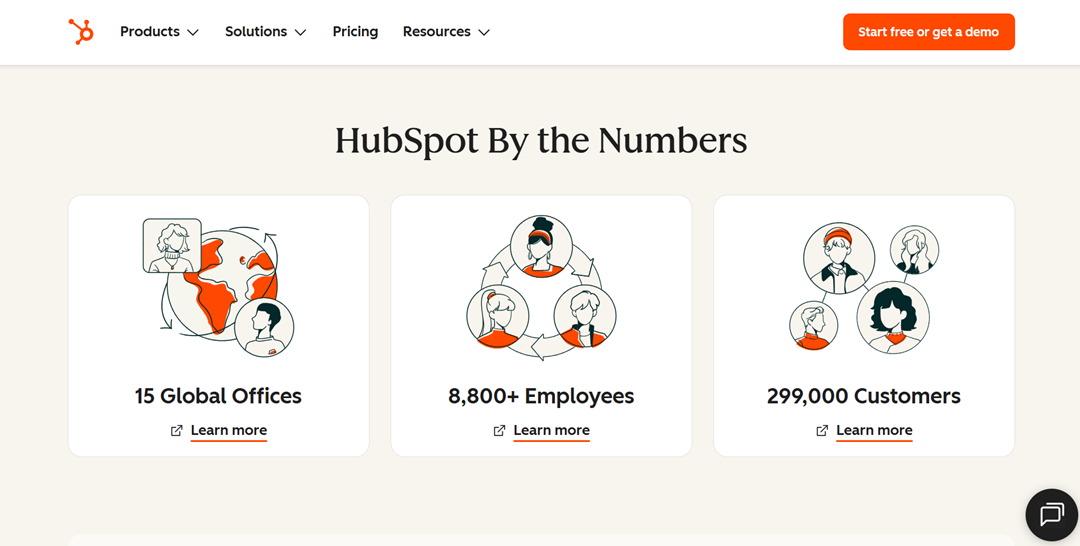
Original (Low-context) | Adapted for a High-context Market |
15 Global Offices 8,800+ Employees 299,000 Customers | Supporting businesses around the world through trusted partnerships, dedicated teams, and a shared commitment to long-term growth. |
The original version establishes credibility through measurable facts and company statistics. This evidence-based approach aligns with low-context cultures, where visitors typically expect transparent and objective information.
The adapted version emphasizes partnerships, commitment, and shared growth before highlighting business achievements. By focusing on relationships rather than numbers, the message creates a stronger emotional connection while maintaining the same underlying credibility.
Best practices for cross-cultural copy

Adapting website copy for different markets doesn’t require creating completely different websites. By following a few best practices, you can deliver content that feels more relevant to local audiences while maintaining a consistent global brand.
Research your target market
Before rewriting your website copy, take time to understand how your target audience communicates and makes purchasing decisions. Language is only one part of localization—cultural preferences, values, and expectations also influence how people respond to your message. Start by researching questions such as:
- Is the market generally high-context or low-context?
- Do customers prefer direct or indirect communication?
- What factors build trust, such as testimonials, certifications, or company history?
- How do competitors present their products and services?
For example, if you’re expanding into Japan, reviewing local competitors may reveal that many brands emphasize craftsmanship, long-term quality, and customer relationships before introducing product features. These insights can help you adapt your messaging to better match local expectations.
Avoid one-size-fits-all messaging
A message that performs well in one country won’t necessarily have the same impact elsewhere. Simply translating the same headlines, CTAs, or product descriptions into multiple languages can make your content feel unnatural or less persuasive. Instead of using identical messaging across every market:
- Adapt your tone of voice to local communication styles.
- Rewrite headlines and CTAs instead of translating them word for word.
- Prioritize the information that matters most to each audience.
- Keep your core brand identity consistent while adjusting the way you communicate.
For instance, a global software company may use “Start Your Free Trial Today” on its U.S. website, while using a softer message such as “Explore Our Platform” for markets where indirect communication is more common. Both versions support the same goal but align better with local preferences.
Balance AI translation with human review
AI translation tools can significantly speed up website localization, especially for large multilingual websites. However, AI focuses primarily on translating language, not cultural intent or persuasive writing. Without review, the translated copy may sound grammatically correct but still fail to connect with local audiences. A more effective workflow is to combine AI with human expertise:
- Use AI to translate content quickly and consistently.
- Have native speakers or local reviewers refine the tone and wording.
- Adjust idioms, humor, cultural references, and CTAs that may not translate naturally.
- Review high-impact pages such as landing pages, product pages, and pricing pages first.
This approach helps businesses maintain efficiency while ensuring their messaging feels authentic and culturally appropriate.
For example, Linguise combines AI-powered website translation with its front-end live editor, allowing you to easily refine headlines, CTAs, and other key content directly on your live website. This helps businesses adapt copy for different markets while maintaining a consistent brand voice and cultural relevance.
Test and optimize your copy
Even well-researched copy should be tested with real users. Audience preferences can vary by country, industry, or even customer segment, so continuous optimization is essential for improving performance.
Monitor metrics such as click-through rates, conversion rates, bounce rates, and user engagement after publishing localized content. You can also run A/B tests to compare different headlines, CTAs, or product descriptions and identify which version resonates most with your target audience.
Rather than assuming one version is the best, treat localization as an ongoing process. Regular testing and refinement will help ensure your website copy continues to meet customer expectations as your business expands into new markets.
Conclusion
Understanding high-context and low-context cultures is essential for creating website copy that resonates with international audiences. While translation ensures your content is linguistically accurate, effective website localization requires adapting headlines, CTAs, brand messaging, and trust signals to match local communication styles. By rewriting your copy instead of translating it word for word, you can build stronger trust, improve user engagement, and increase conversions across different markets.
As your business expands globally, combining culturally adapted copy with multilingual website localization can help deliver a more natural experience for every visitor. Start with Linguise to automatically translate your website while keeping the flexibility to refine your content for different markets. This allows you to scale multilingual websites more efficiently without sacrificing the quality and cultural relevance of your messaging.