

Expanding a website to multiple languages often starts with excitement. You see visitors coming from different countries, international traffic slowly growing, and new opportunities opening up. But then the big question appears, which multilingual platform is right for your business? Many businesses immediately consider platforms like WordPress, Shopify, or Webflow—yet choosing between them is not always straightforward.
That’s why understanding how each platform handles multilingual features is essential before committing to the technology that will support your global expansion.
Keypoints: Comparing multilingual platform WordPress vs Shopify vs Webflow
Each platform supports multilingual websites differently
WordPress uses plugins, Shopify offers built-in localization for eCommerce, and Webflow provides native localization tools.
The best platform depends on your business needs
WordPress suits flexible websites, Shopify focuses on online stores, while Webflow is ideal for design-focused sites.
Multilingual SEO is key for global reach
Features like translated metadata, language URLs, and hreflang tags help websites perform better in international search results.
Key factors when choosing a multilingual platform

The platform you choose will influence how easily you can manage translations, optimize international SEO, and scale your site as your global audience grows. Understanding a few key factors can help ensure your website supports long-term international growth instead of creating technical limitations later.
SEO and URL structure
One of the most important factors in multilingual websites is how the platform handles SEO and URL structures. Search engines need clear signals to understand which language version of a page should appear for users in different regions. A good multilingual platform should support structured URLs, such as language subfolders or subdomains, so search engines can properly index each language version.
Without a clear URL structure, multilingual pages may compete with each other or fail to rank in international search results. For example, if translated pages are generated with random parameters or poorly organized paths, search engines may struggle to identify them as separate language versions. A strong platform should make it easy to create consistent URLs and support international SEO practices, such as hreflang implementation.
Translation management
Managing translations efficiently becomes more important as your website grows. Some platforms let you manage translations directly in the content dashboard, while others require duplicating pages or using external tools to handle multiple languages. The easier the translation workflow, the easier it will be for teams to update content across different languages.
A well-designed translation system should allow you to add, edit, and synchronize translated content without disrupting your website’s structure. It should also make it easy to update translations whenever the original content changes. Without proper translation management, maintaining multiple languages can quickly become time-consuming and difficult to scale.
Scalability
While launching with two or three languages may seem manageable, businesses often add more languages over time as they target new audiences. A scalable platform will make it easier to add new languages without rebuilding large parts of the site.
If scalability is limited, managing additional languages may require manual adjustments, new page structures, or complicated workflows. Over time, this can slow down content updates and create technical challenges. Choosing a platform designed to support multiple languages from the beginning helps ensure your website can grow smoothly as your international audience expands.
Budget and costs
While some platforms may appear affordable at first, the total cost can increase once translation tools, plugins, or additional integrations are required to support multiple languages. Businesses should consider both the initial setup costs and the ongoing expenses of maintaining a multilingual site.
These costs can include translation services, multilingual plugins, or subscription-based localization tools. If the platform requires several add-ons to support multilingual features, the total cost may become higher than expected. Evaluating the long-term financial impact helps businesses choose a platform that fits both their technical needs and budget.
Technical requirements
Every platform comes with its own level of technical complexity. Some platforms require more technical knowledge to configure multilingual features, manage integrations, or troubleshoot issues. Others are designed to simplify these processes, allowing non-technical teams to manage content more easily.
Understanding a platform’s technical requirements is important for long-term maintenance. If the platform requires constant developer involvement for simple updates or translation adjustments, managing the website may become inefficient. Choosing a platform that aligns with your team’s technical capabilities helps ensure the multilingual site remains easy to maintain and update.
Comparing WordPress vs Shopify vs Webflow

After understanding the key factors behind multilingual websites, the next step is comparing the platforms themselves. Many businesses consider three popular options such as WordPress, Shopify, and Webflow. Each platform offers different approaches to multilingual support, from flexible plugin ecosystems to built-in localization features.
WordPress

WordPress is often considered the most flexible option for building multilingual websites. One of its biggest strengths is the large plugin ecosystem, which allows businesses to add multilingual capabilities using translation plugins or external localization tools. This flexibility makes WordPress particularly attractive for content-heavy websites that rely heavily on international SEO, blogging, and complex site structures.
However, this flexibility also comes with tradeoffs. Because multilingual functionality relies on plugins, compatibility issues can sometimes occur between plugins, themes, or updates. Poor configuration can also lead to SEO problems, such as duplicate pages or inconsistent URL structures.
For businesses that have access to technical support or developers, these issues can usually be managed effectively. As a result, WordPress is often recommended for businesses that want maximum control over SEO and scalability, but are comfortable managing plugins and technical configurations.
Shopify

Shopify takes a different approach by focusing on simplicity and built-in ecommerce functionality. Unlike WordPress, Shopify includes native localization features that allow merchants to sell products in multiple languages and currencies. This makes it easier for ecommerce businesses to launch multilingual stores without having to manage complex plugins or technical configurations.
The trade-off is that Shopify offers less flexibility than WordPress. Customizing multilingual SEO structures or implementing advanced localization workflows can sometimes require additional apps or integrations.
For most ecommerce brands, however, Shopify offers a balanced solution that combines usability with global selling capabilities. Because of its streamlined setup and stable infrastructure, Shopify is often a strong choice for online stores looking to expand internationally without heavy technical management.
Webflow
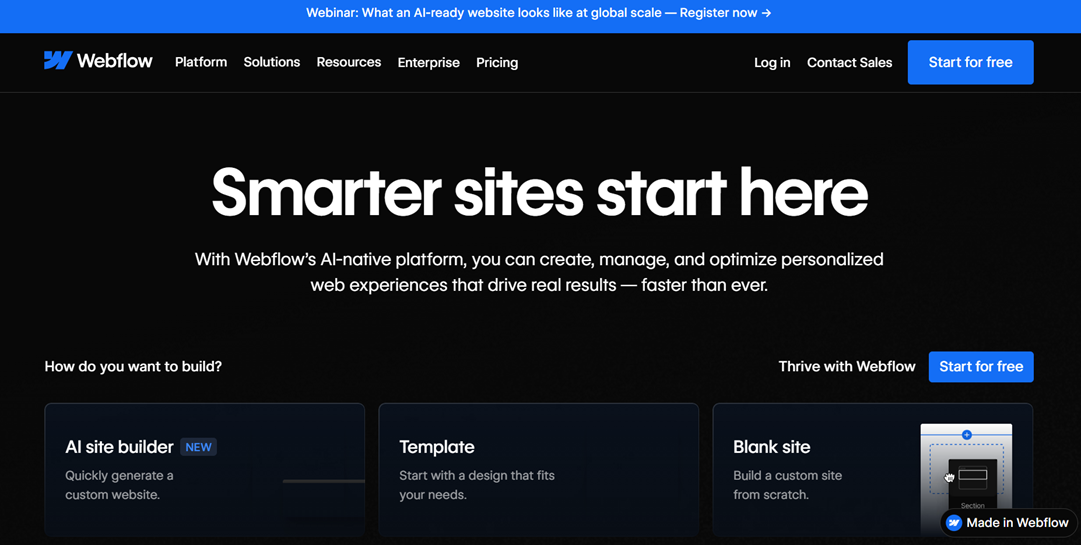
Webflow is known for its design flexibility and visual site-building capabilities. Many startups, agencies, and marketing teams prefer Webflow because it allows them to create highly customized website designs without relying heavily on developers. For multilingual websites, Webflow has gradually introduced localization features that allow users to manage multiple language versions within the platform.
However, compared with WordPress and Shopify, Webflow’s multilingual ecosystem remains more limited. Managing large multilingual sites or complex translation workflows may require additional tools or manual adjustments.
This means Webflow is often best suited for marketing websites, landing pages, or brand-focused sites where design and user experience are the primary priorities. Businesses that need advanced multilingual SEO control or large-scale content localization may find WordPress or Shopify more scalable for long-term international expansion.
To make the differences easier to understand, the following table summarizes the key strengths, trade-offs, and multilingual capabilities of each platform. This quick comparison can help you see which platform aligns best with your SEO goals, scalability needs, and overall business priorities.
Platform | Strengths | Tradeoffs | Best For |
WordPress | Flexible, strong SEO control, large plugin ecosystem | Plugin conflicts require technical setup | Content sites, SEO-driven businesses |
Shopify | Built-in localization, easy ecommerce setup | Less SEO flexibility, may need apps | Multilingual ecommerce stores |
Webflow | Strong design control, visual builder | Limited multilingual ecosystem | Marketing and brand websites |
Using SaaS translation tools for multilingual websites

Managing multilingual websites manually can become complex as your site grows with more pages and languages. SaaS translation tools simplify this process by automating translations, organizing language versions, and reducing the need for manual page duplication, making multilingual management more efficient.
Many SaaS translation solutions also integrate directly with CMS platforms and website builders. This allows translations to be delivered dynamically while preserving important SEO elements such as localized URLs, metadata, and language tags, helping websites reach international audiences more effectively.
Some common benefits of using SaaS translation tools include:
- Automated website translation that reduces manual work when creating multiple language versions.
- Centralized translation management to control and update translations from a single dashboard.
- SEO-friendly multilingual structures, including localized URLs and proper language indexing.
- Scalable language support makes it easier to expand into additional markets over time.
One example is Linguise, a translation solution that helps websites deliver fast and SEO-friendly multilingual experiences. It uses AI-powered translation with live editing, allowing automatic translations while still giving users the ability to refine them when needed. Linguise also supports popular platforms such as WordPress, Shopify, and Webflow, making it easy to implement across a range of website types.
Because it operates as a SaaS platform, Linguise reduces the need for heavy plugins or complex setups. Its cloud infrastructure handles translation delivery while maintaining proper multilingual SEO structures, helping businesses scale their websites globally with less technical effort.
Common multilingual pitfalls (and how to avoid them)

Building a multilingual website can expand your reach, but it also introduces technical challenges that are often overlooked. If not implemented properly, multilingual setups can cause indexing issues, poor user experience, and reduced search visibility in international markets.
By understanding common multilingual pitfalls, you can prevent these problems early and ensure your website remains well-structured, accessible, and optimized for both users and search engines.
Missing hreflang tags
One of the most common technical issues in multilingual websites is missing or incorrect hreflang tags. These tags help search engines understand which language or regional version of a page should appear for users in different locations. Without proper hreflang implementation, search engines may struggle to determine which version of a page to show, leading to the wrong language appearing in search results.
To avoid this issue, every translated page should include properly configured hreflang tags that reference all language variations of the page. This ensures search engines can clearly map relationships between different language versions. Many multilingual tools and SEO plugins can automate this process, making it easier to maintain accurate tagging across large websites.
Duplicate multilingual content
Another frequent problem occurs when translated pages are interpreted by search engines as duplicate content. This can happen if translated pages are not properly structured or if multiple language versions share identical URLs or metadata. As a result, search engines may struggle to decide which version should rank, potentially reducing visibility for all versions.
To prevent this, each language version should have its own distinct URL structure, such as a subdirectory or a subdomain. In addition, metadata such as page titles and descriptions should be localized rather than directly copied. When combined with correct hreflang implementation, these steps help search engines recognize each version as a legitimate localized page rather than duplicate content.
Broken translation links
Broken links between translated pages can quickly damage the user experience on a multilingual site. When visitors switch languages but are redirected to the wrong page—or, worse, encounter a 404 error—it frustrates them and reduces trust in the website. This often happens when translations are published without properly mapping corresponding pages across languages.
A reliable way to avoid this issue is to ensure that each translated page is linked to its correct counterpart in other languages. Many multilingual management tools include automatic language switching that preserves the same page context across language changes. Regular link audits and testing language switchers can also help ensure that every translated page remains accessible and correctly linked.
Plugin or integration conflicts
Multilingual websites often rely on multiple plugins or integrations, especially when combining translation tools with SEO, caching, or page builder plugins. However, compatibility issues between these systems can lead to unexpected problems such as translation errors, broken layouts, or pages failing to load correctly in certain languages.
To minimize these risks, it is important to choose multilingual solutions that are actively maintained and designed to work well with your CMS ecosystem. Testing new plugins in a staging environment before deploying them on a live site can also prevent conflicts. Keeping plugins up to date and avoiding unnecessary overlaps in functionality will help maintain a stable multilingual setup.
Conclusion
Choosing the right multilingual platform depends on your business goals, technical resources, and scalability needs. Whether you use WordPress, Shopify, or Webflow, it’s important to ensure your platform supports proper SEO structure, efficient translation management, and long-term international growth.
To simplify multilingual website management, you can use Linguise translation tools, which provide AI-powered translation, SEO-friendly language structures, and integration with WordPress, Shopify, and Webflow. If you’re planning to expand your website globally, register for Linguise and start building a fast, SEO-optimized multilingual site.